What I Wish I Knew Before Visiting South-East Iceland
An Icelandic guide's hard-won tips for the Jökulsárlón and Diamond Beach day: the long drive, fast weather, sneaker waves, what to pack, and what to book ahead.
 By Björn Einarsson, Iceland South Coast & glacier-lagoon tour guide and local specialist
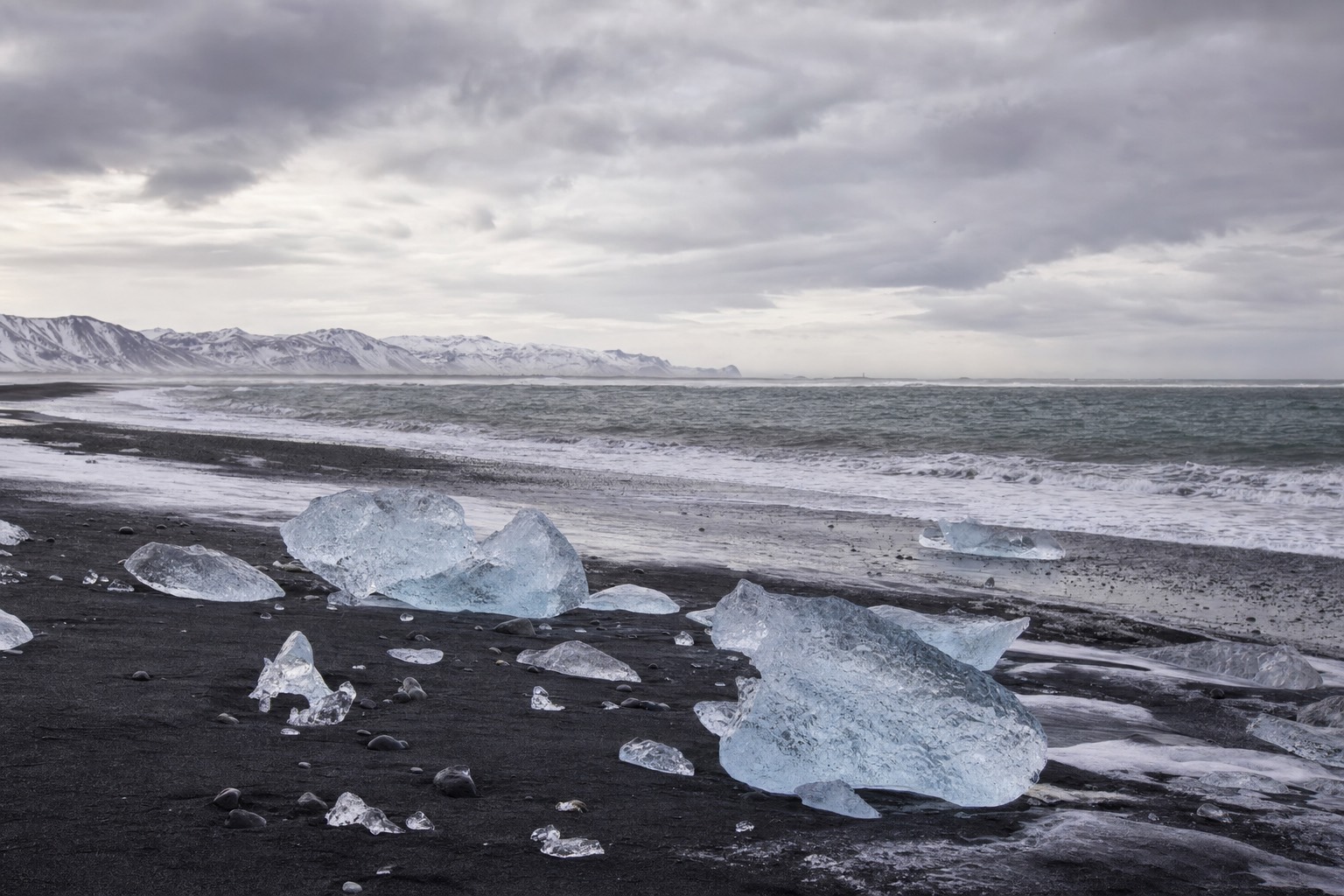
The first time a visitor asked me why nobody warned them about the wind, we were standing on the black sand with a squall coming in sideways off the glacier, and their brand-new umbrella had already turned inside out. I have guided this coast since 2022, and I can tell you the south-east does not punish you for being unprepared. It just quietly makes your day smaller than it could have been. The lagoon is still there. The ice still glitters. You simply spend the trip fighting problems you could have solved in five minutes at home.
So here is the list I keep in my head, the things I wish every traveller knew before the long day east. None of it is complicated. All of it changes the day.
What is the drive to south-east Iceland actually like?
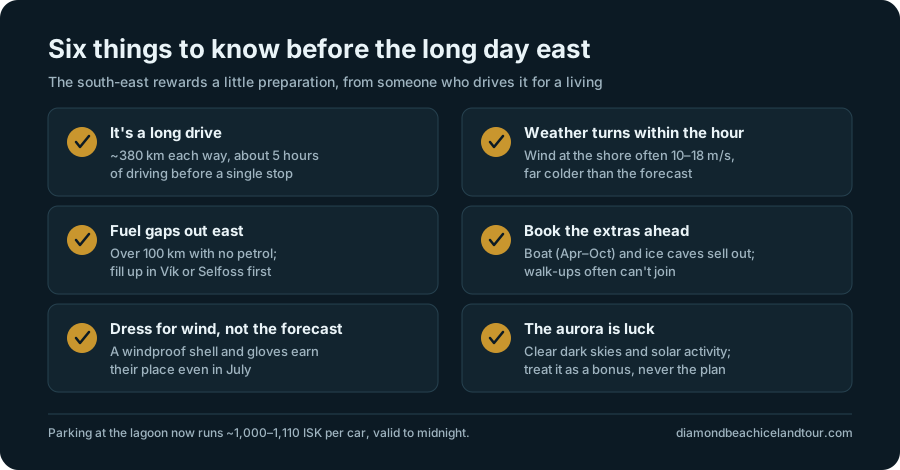
Longer than the map suggests. Jökulsárlón sits about 380 kilometres from Reykjavík, roughly five hours of driving each way before a single stop, so the round trip is a genuine 14 to 15 hour commitment. Fuel up early, because the gaps between petrol stations out east are long, and treat the drive as most of the day, not a warm-up to it.
People look at "day trip" and picture a morning out. This is not that. The road hugs the south coast the whole way, past waterfalls and black cliffs and the vast grey outwash plains below Vatnajökull, and it is beautiful, but it is long. If you are self-driving, the single tip I repeat most is to fill the tank in Selfoss or Vík rather than assuming you will find a station when the needle drops. There are stretches of well over 100 kilometres with nothing, and running low out there in bad weather turns a scenic day into a stressful one.
The other thing to accept early is the ratio. You will spend far more of the day moving than standing still. I broke that trade down in full in is the long day to Jökulsárlón worth it, and my honest answer is that it is worth it for most people, as long as they walk in knowing the shape of it. Here is the short version of everything I wish first-timers understood before they set off.
| What I wish you knew | Why it matters |
|---|---|
| The drive is ~5 h each way | Most of your day is the road, not the lagoon |
| Fuel up in town before heading east | Petrol gaps run well over 100 km |
| Weather shifts within the hour | A clear start says nothing about noon |
| Book the boat and ice caves ahead | They sell out in season, walk-ups often can't join |
| Dress for wind, not for the forecast temperature | The lagoon shore has its own cold |
| Don't rush the lagoon and the beach | They are two separate walks, a few minutes apart |
| The aurora is luck, never a guarantee | Clear, dark skies and solar activity all have to line up |
How fast does the weather change on the south-east coast?
Fast enough to ruin a plan built on the morning forecast. South-east Iceland routinely swings through sun, rain, and hard wind inside a single afternoon, with gusts near the coast and glacier often running 10 to 18 metres per second. Check en.vedur.is and road.is before you leave, and again at your lunch stop, because the day you started is rarely the day you finish.
I have watched a calm blue morning at the lagoon turn into horizontal sleet by the time we reached Vík on the way home. That is not bad luck, it is just the coast. Weather comes off the North Atlantic and slams into Vatnajökull, and the collision makes the south-east one of the most changeable places I know. Wind is the part visitors underestimate most. It is not the cold that ends a beach walk early, it is a gust that throws sand in your face and makes standing upright a chore.
In winter this stops being a comfort issue and becomes a safety one. Route 1 can close at short notice for wind or ice, and it does, every season. The official road conditions map at road.is exists precisely because a clear Reykjavík morning tells you nothing about a mountain pass two hours east. If you are driving yourself in the colder months, checking it is not optional. A guided coach with a local driver takes that whole worry off your plate, which is a real part of why so many people choose one for the winter run.
What should you pack for Jökulsárlón and Diamond Beach?
Windproof and waterproof outer layers, year-round, no exceptions. The glacier shore is colder and windier than the forecast number suggests, even in July. Bring a proper shell jacket, warm mid-layers, a hat and gloves, waterproof shoes for wet black sand, and something to protect a camera lens from spray. Skip the umbrella; the wind will destroy it in seconds.
Summer travellers are the ones who get caught out. They see fifteen degrees on their phone and pack for a mild European city, then arrive at a lagoon where the wind is coming straight off floating ice. The temperature at the shore is its own thing, and the chill factor makes it feel far colder than the valley you drove through. I keep gloves in my bag in August, and I use them.
Here is what actually earns its place in the bag for this specific trip. Everything on this list has saved a guest's day at some point.
| Pack this | Why, for this trip |
|---|---|
| Windproof, waterproof shell jacket | The one item that makes or breaks the beach walk |
| Warm mid-layer (fleece or wool) | The shore holds glacier cold even in summer |
| Waterproof shoes or boots | Black sand near the water is wet and cold |
| Hat and gloves, any season | Wind chill at the ice is no joke in July |
| Refillable water and a snack | Food stops are sparse and pricey out east |
| Lens cloth or rain cover for a camera | Spray and drizzle fog everything, fast |
| Motion-sickness tablets if you're prone | The winding stretches catch a lot of people |
If you want the deeper seasonal breakdown of what the conditions are really like month by month, I laid it out in the best time to visit Diamond Beach guide.
What do you need to book ahead in south-east Iceland?
The seasonal extras, above all. The optional Jökulsárlón boat cruise runs roughly April to October and sells out in peak weeks, and blue ice-cave tours in winter book up even faster. Walk-ups often cannot join. If a boat ride on the lagoon or a cave under the glacier is on your list, reserve it before you arrive, not at the counter.
This is the mistake I hate seeing most, because it is so avoidable. Travellers drive five hours picturing themselves gliding between icebergs on the amphibian boat, reach the lagoon in July, and find every departure full. The boat cruise is seasonal and weather-dependent, never guaranteed, and in high summer the demand is real. Same story with the natural ice caves, which run only in the cold months and must be entered with a certified guide, never alone. Reserve early or plan around missing them.
For the trip itself, the calculation is simpler than people think. If you are not renting a car and not confident on winter roads, the guided day removes the driving, the fuelling, the road-checking, and the risk of the coach-versus-conditions gamble all at once. It is the coach I point undecided visitors toward: you can look at the guided Jökulsárlón & Diamond Beach day trip and then check live availability and prices on GetYourGuide to see which dates are still open. It carries 4.7 stars across 3,910 GetYourGuide reviews, and the free cancellation up to 24 hours means booking early costs you nothing if plans shift. For the full run-down of getting out there, my how to get to Jökulsárlón from Reykjavík guide covers every option side by side.
Is the food and fuel situation really that sparse out east?
Yes, and it catches people out. Between the towns, options thin to almost nothing, and what you do find at roadside stops and the lagoon café is limited and expensive. Carry water and real snacks so you are not hostage to a single busy counter, and top up fuel in Vík or Selfoss rather than trusting a station to appear when you need one.
Out here the distances that make the scenery so vast also make services scarce. A day on this route is not a place to rely on grabbing lunch whenever hunger hits. The cluster of eating options sits around Vík and Kirkjubæjarklaustur, and at peak times even those get crowded with every coach and camper on the road that day. Prices reflect the remoteness, so a sandwich and a coffee out east cost more than the same in Reykjavík.
This is one small area where the guided coach quietly earns its keep, because the driver sequences meal stops into the day at the towns that can actually feed a busload. Self-driving, you own that logistics yourself, which is fine as long as you plan it. The travellers I see struggle are the ones who assumed Iceland's ring road works like a motorway with a services every twenty minutes. It does not.
What are the biggest mistakes people make, and how do you avoid them?
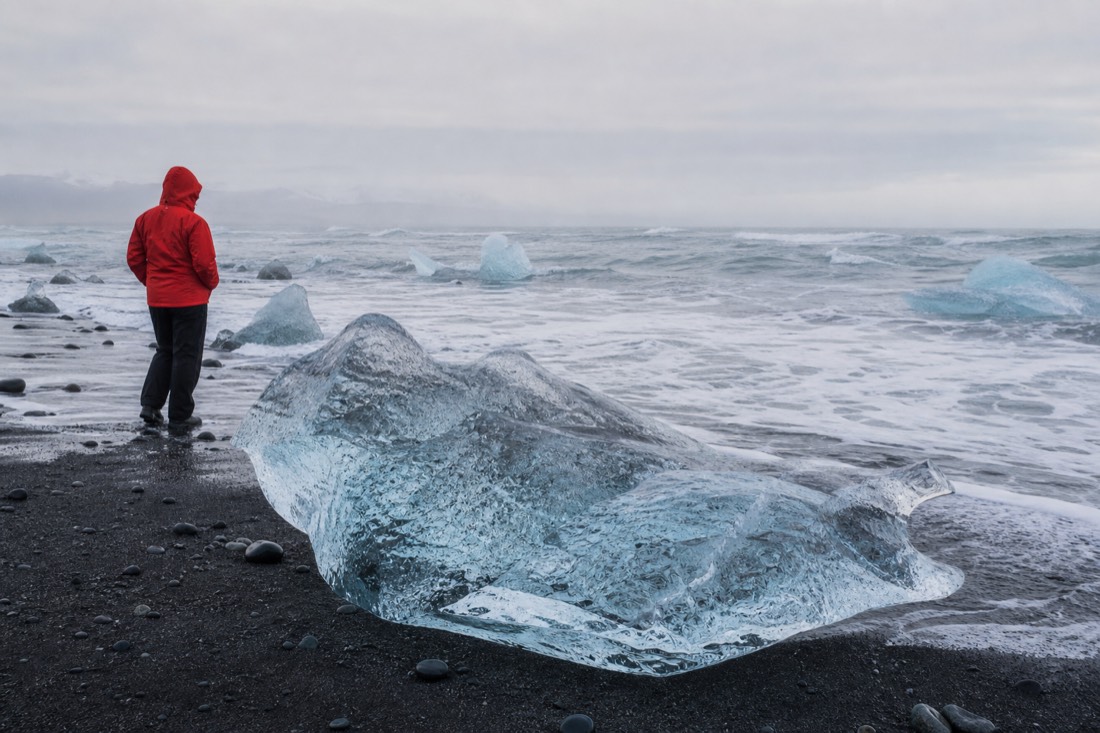
The classics are underestimating the drive, ignoring the weather change, and getting too close to the water. Diamond Beach has sneaker waves, sudden surges that arrive without warning and pull people into freezing water, and the beached icebergs can roll without a sound. Keep well back from the waterline, never climb the ice, and treat the safety signs as the hard rules they are.
Most of what goes wrong on this trip is not dramatic, it is just preventable. People rush, get cold, run low on fuel, or miss the boat they crossed the country to catch. But two mistakes are genuinely dangerous, and I will not soften them. The first is the sneaker wave. The official guidance on safetravel.is about the south coast's black beaches is blunt for a reason: waves here can run far higher up the sand than the previous ten, they come fast, and the water is cold enough to disable you in minutes. The second is the ice. Those glittering bergs on the sand are unstable, and they roll. Photograph them from a step back, not from on top.
| Common mistake | The fix |
|---|---|
| Turning your back to the sea for a photo | Face the water, keep well back from the waterline |
| Climbing on a beached iceberg | Never climb the ice; it rolls without warning |
| Trusting the morning forecast all day | Recheck en.vedur.is and road.is at your lunch stop |
| Assuming you'll find fuel out east | Fill up in Selfoss or Vík before heading on |
| Booking the lagoon boat at the counter | Reserve the seasonal boat and caves in advance |
| Rushing the lagoon and the beach as one | They are separate walks; give each its own time |
| Packing for the forecast, not the wind | Windproof shell and gloves, every season |
The good news is that every item on that list costs you nothing to fix. Read the weather, respect the water, fuel up, book the extras, pack the shell. Do those five things and the south-east gives you one of the best days in the country.
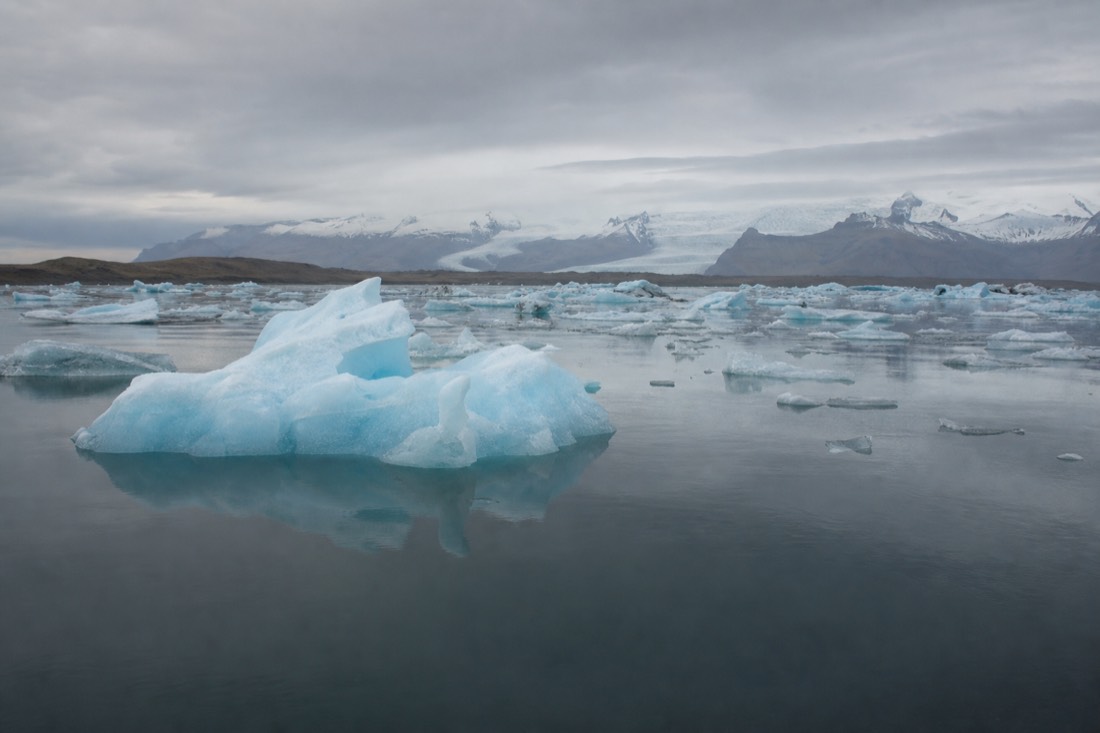
Do you actually get to see the northern lights out there?
Only with luck, and only in the dark months. The aurora needs clear skies, real darkness, and enough solar activity all at once, and no tour or forecast can promise it. The season runs roughly September to March, and the south-east's fast-changing cloud is the usual spoiler. Treat any sighting as a gift on top of the trip, never the reason you booked it.
I say this gently because I have seen the disappointment. People book a winter day expecting the lights and are crushed when the sky stays cloudy, which out here it often does. The aurora is a genuine natural lottery: you need the solar activity to be up, the cloud to be gone, and the sky to be properly dark, and getting all three on the one evening you happen to be east is far from guaranteed. When it does happen over the lagoon, with the ice glowing faintly under a green sky, it is unforgettable. Just do not stake the day on it.
If aurora is a real priority, give the region an overnight rather than a single day trip, so you have more than one shot at a clear window. For the day-tripper, the honest framing is simple. Come for the ice, the glacier, and the black sand, all of which show up reliably. If the sky puts on a show on the drive home, that is the bonus, not the plan.
None of this is meant to scare you off. The south-east is my favourite part of Iceland to guide, and the day people remember for years is almost always the one they came prepared for. Fuel up, watch the weather, book the boat, pack the shell, and keep your distance from the water. Do that, and the long road east pays you back with interest.
Your Next Step
Choose the part of the trip you want help with
Initial editorial suggestion. Confirm your date and party requirements with the operator.
Have a travel date in mind? Check the 14-hour Jökulsárlón and Diamond Beach coach schedule before arranging the rest of your Reykjavík itinerary.
Ages 6+. Allow for delays. Meals are extra; glacier hiking and ice-cave visits are separate experiences.
Refine Your Choice And View Alternatives
Reykjavik: Jokulsarlon Glacier Lagoon & Diamond Beach Tour
14-hour coach trip from Reykjavík with an English-speaking guide, Jökulsárlón and Diamond Beach stops. Pickup and the seasonal boat ride depend on the booked option.
This tool compares tour formats, meeting points, listed ages, seasonal windows and duration. Seasonal guidance is not live availability. It does not confirm availability or personal suitability. Local activities do not include the drive from Reykjavík; leave extra time for travel and check-in.
Jökulsárlón: The Original Ice Cave Tour on Vatnajökull: Around 2.5–4 hours from Jökulsárlón, with an English-speaking glacier guide, modified 4x4 transport and safety equipment. Ages 10+. A cave is not guaranteed: the route may visit a blue-ice canyon, tunnel or other feature. Requires general fitness and uneven-ground walking; not suitable for mobility impairments.
Jökulsárlón: Vatnajökull Glacier Guided Hiking Tour: A 4.5-hour outing from Jökulsárlón onto Breiðamerkurjökull, with an English-speaking glacier guide, Super Jeep transfer and glacier equipment. Ages 10+. A 4–6 km walk, medium difficulty; crampons fit EU 35–48. Pregnancy, heart conditions, recent surgery, low fitness or access needs require a different plan.