Best Time to Visit Diamond Beach Iceland in 2026 (Month by Month)
The ice on this black sand looks different in July than it does in January, and so does the whole day it takes to reach it.
 Written with Björn Einarsson, Iceland South Coast & glacier-lagoon tour guide and local specialist
Short answer
There is no single best month. Summer gives long daylight, open roads, and the lagoon boat cruise. Winter trades short, risky days for aurora, stark ice, and ice-cave season nearby. Autumn and spring sit in between. Pick the season by what you most want to see.
Stand on this black sand in late June and you can watch the ice glow at eleven at night, the sun refusing to drop below the horizon. Come back in January and the same beach gives you maybe four hours of grey light, a wind that bites through everything, and a sky that might, if you are lucky, break open into green. Same place. Completely different day. People ask me which month is best as if there is one answer, and the honest reply is that it depends entirely on what you came for.
I guide this south-east coast, so I have stood at the lagoon in every kind of weather the year throws at it. Below is how each season actually plays out, what it gives you, and what it takes away, so you can match the month to the trip you want rather than the other way round.
When is the best time to visit Diamond Beach and Jökulsárlón?
There is no universal best month. June to August gives the longest daylight, the easiest drive, and the lagoon boat cruise, but the biggest crowds. November to March gives aurora, the starkest ice, and nearby ice-cave season, at the cost of short days and real road risk. September and April are the quiet middle ground.
Everything hinges on a handful of variables that swing hard across the year: how many hours of light you get, how much ice sits on the beach, whether the northern lights are even possible, whether the boat runs, and how many other people share the car park with you. No month wins on all five. Summer maxes out daylight and access; winter maxes out drama and aurora. Once you know which of those you care about most, the month picks itself. If your dates fall in the November-to-March window, the natural blue ice caves become the winter headline; you can check the Vatnajökull ice cave tour's dates and price here.
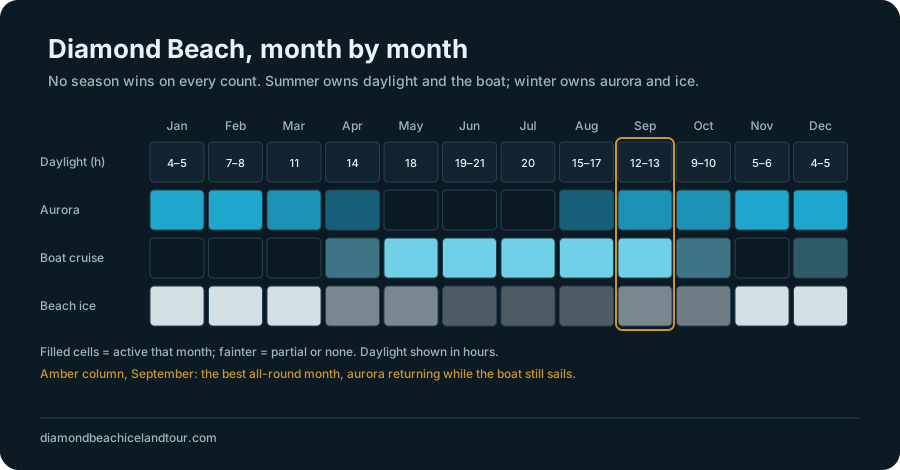
Here is the whole year on one grid, so you can see the trade-offs at a glance.
| Month | Daylight (approx) | Ice on the beach | Aurora chance | Lagoon boat | Crowds |
|---|---|---|---|---|---|
| January | ~4-5 h | Heavy | High | No | Low |
| February | ~7-8 h | Heavy | High | No | Low |
| March | ~11 h | Heavy | Good (to late Apr) | No | Low-mid |
| April | ~14 h | Moderate | Fading | Opens ~Apr | Rising |
| May | ~18 h | Moderate | None | Yes | Rising |
| June | ~19-21 h | Variable | None | Yes | High |
| July | ~20 h | Variable | None | Yes | Peak |
| August | ~15-17 h | Variable | From mid-Aug | Yes | Peak |
| September | ~12-13 h | Moderate | Good | Yes | Mid |
| October | ~9-10 h | Building | Good | Closing ~Oct | Mid |
| November | ~5-6 h | Heavy | High | No | Low-mid |
| December | ~4-5 h | Heavy | High | No | Low-mid |
Those daylight figures are the ones that reshape the trip most. In midsummer, Höfn, the nearest town, sees roughly nineteen hours of light, with the sun up around 3:37 in the morning and down near 10:34 at night. In the depths of winter, that same window collapses to four or five usable hours, and since the drive is about 380 km each way, a short winter day puts real pressure on the schedule.
Zoom out from the months to the four seasons and the choice comes down to what you are willing to trade. Here is each one weighed on what you gain against what it costs you.
| Season | What you gain | The tradeoff |
|---|---|---|
| Summer (Jun-Aug) | Long light, open roads, boat cruise, mild temps | Peak crowds, no aurora, thinner beach ice |
| Autumn (Sep-Oct) | Aurora returns, boat still on, fewer people | Days shortening, weather turning |
| Winter (Nov-Mar) | Aurora peak, thickest ice, ice-cave season | Four to five hours of light, real road risk |
| Spring (Mar-Apr) | Ice and aurora hold, days lengthen fast | Unpredictable early weather, boat only from April |
What is summer like at Diamond Beach (May to August)?
Summer is the easy season. Daylight runs from roughly eighteen hours in May to near-endless in June and July, roads are open and mostly benign, the Jökulsárlón boat cruise is running, and temperatures near the glacier sit around a mild 10 to 12°C. The catch is crowds at their peak and no chance of aurora under the bright sky.
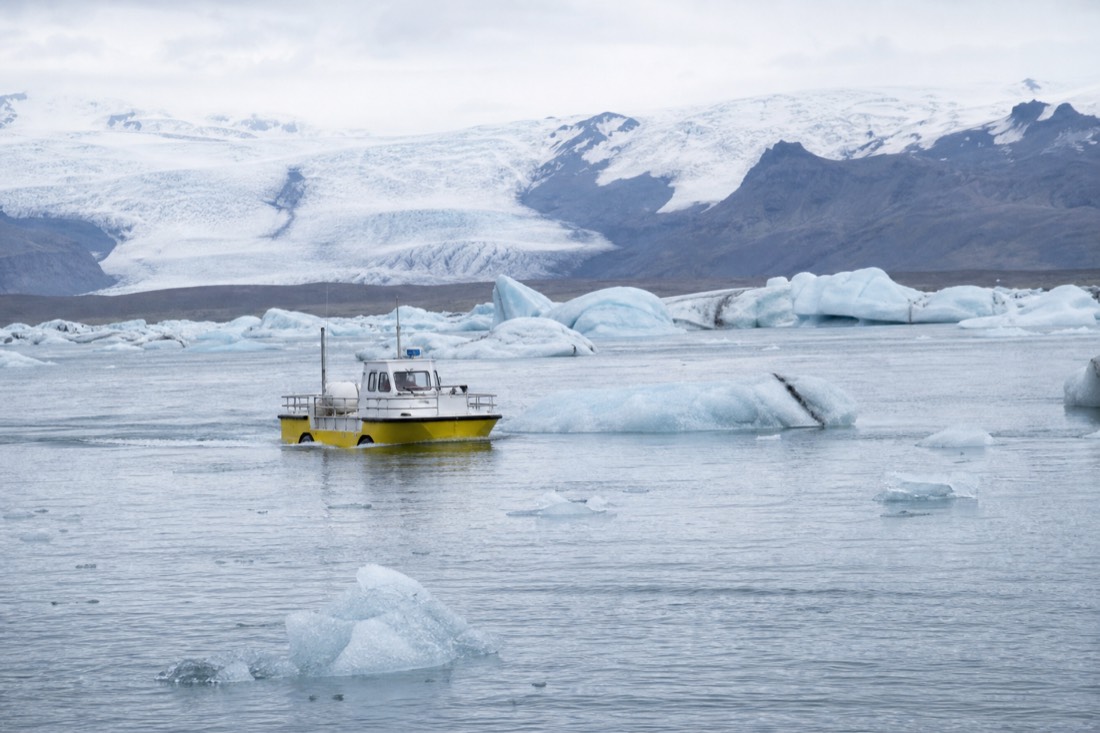
This is the season I send nervous drivers and first-timers toward. The long light takes the fear out of the distance, because even if you leave late you are not racing darkness. The Ring Road is clear, the single-lane bridges are just quaint rather than dangerous, and the optional Jökulsárlón boat cruise is offered from April through October when conditions allow. Floating out among the icebergs with a guide pointing out seals is a summer-into-autumn thing, so if the boat is on your list, this is the window.
There are honest downsides. July is the busiest the site gets all year, and the car park at the lagoon fills. The ice on the beach is also less predictable in high summer: warm spells can thin it out, so on a given July day you might find fewer of the big glassy chunks that give the place its nickname. And you will not see the northern lights, because it never gets dark enough. Summer is about the scenery in full, honest daylight, not about the sky show. If the aurora is the whole point of your trip, this is the wrong season, and I would steer you toward the guide on seeing the northern lights at Jökulsárlón and Diamond Beach before you book anything.
Is autumn a good time to visit the glacier lagoon?
Autumn, roughly September into October, is the most underrated window. Daylight is still workable at twelve to thirteen hours in September, the boat cruise is usually running into October, crowds thin out after the summer peak, and by late August the aurora returns. You get a real slice of both seasons before winter shuts things down.
If someone asks me for the sweet spot and does not have a firm reason to go in deep winter, I point at September. The tourist crush eases, the roads are still mostly kind, and you can catch the boat on the lagoon while also standing a genuine chance under the aurora after dark. The northern lights become possible again from around mid-August, and by September the nights are long enough to give them room without the days having collapsed to nothing.
October is where the year starts tipping. The boat cruise winds down, usually closing out around the end of the month, daylight drops toward nine or ten hours, and the first serious weather systems arrive. It is still a fine time to go, but you feel winter leaning in. This is also the shoulder where ice begins building back up on the beach as glacier calving picks up, so the black sand starts looking more like its postcard self again.
What does winter give you at Diamond Beach (November to March)?
Winter is the dramatic season and the demanding one. The beach carries the most ice of the year, the aurora is at its most likely under long dark skies, and ice-cave tours nearby run only in these months. Against that: four to five hours of daylight, temperatures near 1°C, and genuine road risk that makes a guided coach the sensible way to go.
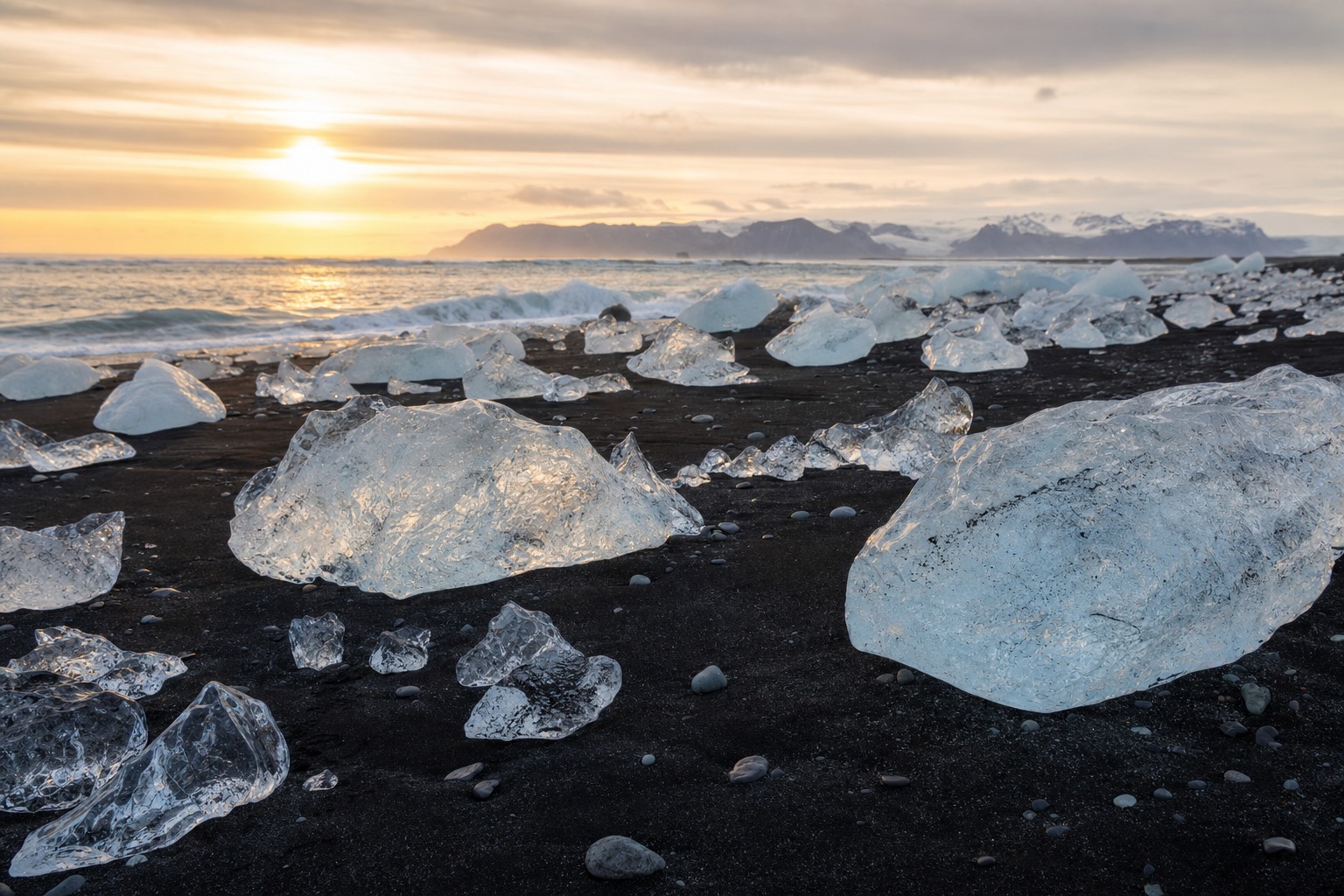
Everything that makes Diamond Beach famous is at its peak in winter. Iceberg chunks wash up year-round, but they are most abundant from November through March as the glacier calves harder, so this is when the sand is most thickly studded with the big translucent blocks. The lagoon behind it turns stark and quiet with the boat gone. And the sky is in play: the northern lights are visible on clear, dark nights from mid-August all the way to late April, with winter offering the longest darkness to catch them.
Winter is also the only time the ice caves under Vatnajökull are accessible, running roughly November to March with a certified guide. That is a separate tour from this lagoon-and-beach day, not part of it, but plenty of people build a winter trip around both. If a crystal cave is on your mind, read which months make up the ice-cave season before you lock in dates, because the window is narrow and weather-dependent.
Now the honest warning. Four or five hours of daylight against a 380 km drive each way is a tight equation, and Iceland's winter weather does not negotiate. Wind off the glacier can shove a car across a lane, ice glazes the single-lane bridges, and roads close with little notice. I check the Icelandic Met Office and its aurora forecast at en.vedur.is for the sky and safetravel.is for conditions before any winter departure, and I will not self-drive this coast in a storm. This is exactly why so many people take the coach in winter: a professional driver on winter tyres absorbs the risk, and you keep your eyes on the ice instead of the road.
What about spring at Jökulsárlón?
Spring, March into April, is winter loosening its grip. Daylight climbs fast from eleven hours in March to fourteen in April, the aurora still shows through late April, and the beach holds solid ice. Roads improve week by week, though early spring can still throw winter conditions. The boat cruise reopens around April.
Spring is the quiet reward for people who want winter's ice and aurora without winter's worst logistics. By late March the days are long enough to make the drive comfortable again, yet the beach is still heavy with the season's built-up ice and the northern lights hang on into late April. It is a genuine both-worlds moment, and the crowds have not yet arrived.
The variable is the weather's mood. Early March can behave like January, with ice and closures still possible, while late April can feel almost like summer. It is the least predictable stretch of the year, so you plan for winter and hope for spring. The boat cruise typically reopens around April, so an April visit can even catch the first sailings of the year on a calm day.
Which season is best for your specific goal?
Match the month to the single thing you most want. Aurora and thick ice mean November to March. The lagoon boat and easy driving mean June to September. Fewer crowds with the boat still running point to May or September. Ice caves, a separate tour, run November to March. Blue-hour photography favours the shoulder months.
Most people arrive with one non-negotiable, whether that is the northern lights, the boat, or simply a stress-free drive. Once you name it, the calendar narrows quickly. The table below lines up the common goals against the window that actually delivers them, so you are not trying to chase two seasons at once.
| Your main goal | Best window | Why |
|---|---|---|
| Northern lights over the ice | Nov to Mar | Longest dark skies, highest aurora odds |
| The Jökulsárlón boat cruise | May to Sep | Boat runs reliably, calm-water odds best |
| Easiest, lowest-stress drive | Jun to Aug | Near-endless daylight, open roads |
| Thickest ice on the beach | Nov to Mar | Peak glacier calving stacks the sand |
| Ice caves (separate tour) | Nov to Mar | Only guided-access window of the year |
| Fewer crowds, boat still on | May or Sep | Shoulder months dodge the July peak |
| Blue-hour photography | Sep-Oct, Feb-Mar | Long soft light without deep-winter risk |
Whichever line is yours, the underlying trip is the same long coastal day. The season just decides what waits at the end of it. If you are still weighing whether the whole thing earns the drive, I lay that out honestly in is Diamond Beach worth it.
What should you pack for Diamond Beach in each season?
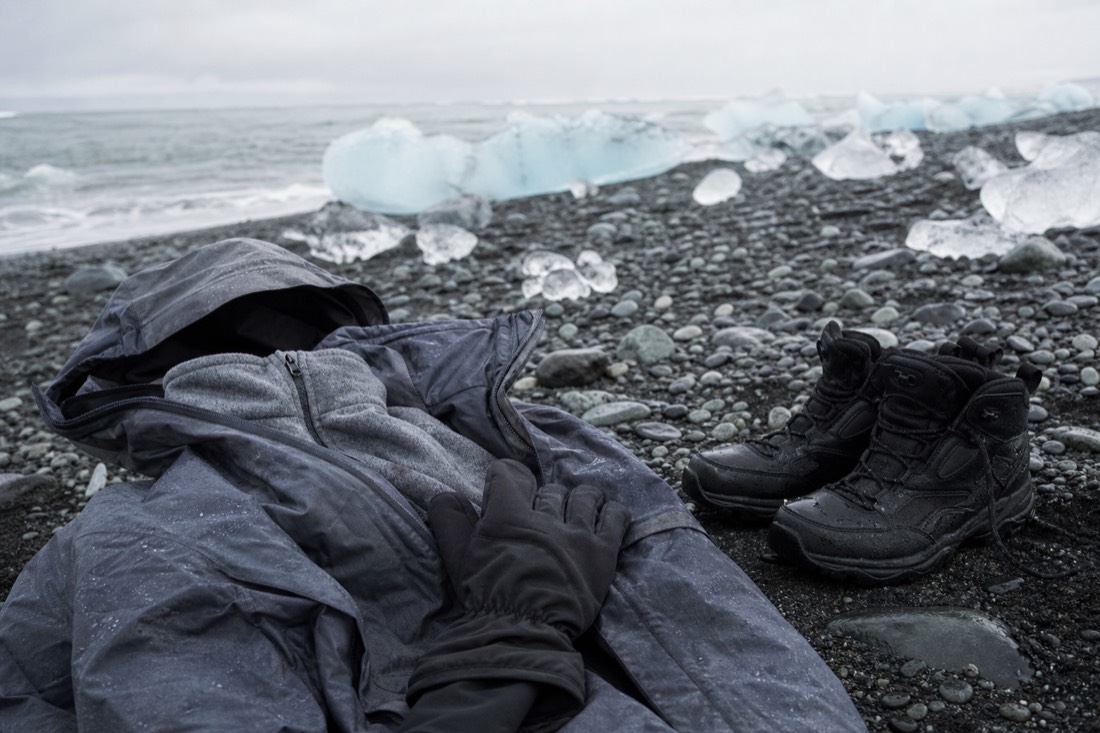
Pack for wind and wet in every season, then adjust the base layers underneath. Summer wants a waterproof shell over a thin fleece against a mild 10 to 12°C. Winter wants full thermals, insulated boots, and grippy soles against 1°C and glazed ice. Gloves and a hat earn their place for ten months of the year, not four.
The coach itself is warm, so the packing question is really about the two spots where you get out and stand still: the lagoon edge and the beach. Both are exposed, and the wind coming off Breiðamerkurjökull, the outlet glacier feeding the lagoon, does not care what the thermometer in Reykjavík said that morning. I have watched people in city coats last about ten minutes on the sand in February before retreating to the bus. Dress for the wind chill, not the forecast number.
Treat the table below as a planning allowance rather than a kit list handed down from on high. It is how I would layer for each stretch of the year, weighted toward the reality that this is a maritime climate where rain can arrive sideways in any month.
| Season | Base and mid layer | Outer and footwear | Small stuff | Daylight to plan around |
|---|---|---|---|---|
| Summer (May-Aug) | Light thermal or tee, thin fleece | Waterproof shell, walking shoes | Sunglasses, water, an eye mask for the bright nights | 15-21 h, so a late start is forgiving |
| Autumn (Sep-Oct) | Merino base, mid fleece | Waterproof shell and trousers, waterproof shoes | Light gloves, hat, headtorch for aurora | 9-13 h, dark returns for the sky show |
| Winter (Nov-Mar) | Thermal top and bottom, heavy fleece | Insulated waterproof coat, insulated boots | Warm gloves, hat, hand warmers, traction cleats | 4-5 h, one short window to work with |
| Spring (Mar-Apr) | Merino base, mid fleece | Waterproof insulated shell, waterproof boots | Gloves, hat, sunglasses for glare off ice | 11-14 h, lengthening week by week |
The single item people forget is footwear with real grip. The sand near the water freezes hard in winter, and the smooth iceberg chunks are lethal underfoot if you climb on them, which you should not do anyway. Traction cleats that slip over your boots cost almost nothing and save a bruised trip. In summer the failure mode flips: bring something for the near-endless light if you want to sleep, because a bright sky at midnight fools the body clock.
Which single month do I quietly recommend most, and why?
September, and specifically the back half of it. You still catch the Jökulsárlón boat before it stops for winter, the aurora is properly back after mid-August, the July coach crowds have thinned, and the 380 km drive is not yet fighting real ice. In one long day you get a slice of two seasons instead of committing to just one.
I have guided this South-East route out to the lagoon and beach since 2022, and across roughly a thousand travellers I have taken along the South Coast, late September is the window that leaves the fewest people wishing they had come at a different time. The summer visitor gets long light but no sky show and a busy car park. The winter visitor gets aurora and heavy ice but a four-hour day and a nervous drive. Late September sits in the seam between them, quietly collecting the good parts of both.
There is a personal reason too. I do not operate the coach on this particular booking, so my read here is a local guide's judgment rather than a sales pitch: the days I have most enjoyed on this coast were the calm late-September ones when the boat still sailed, the first green flickers came out after dinner near Vík, and the beach had started rebuilding its ice for the year. It is not the most dramatic month. It is the most reliable one for getting more than a single thing to go right.
The honest caveat is that weather in Iceland ignores the calendar. A late-September storm can still shut the show, and an early-October cold snap can make it feel like November. September stacks the odds in your favour, but it does not remove the gamble.
Is the shoulder season, September or April, actually worth it?
Both are shoulder months that dodge the summer crush while keeping the aurora in play, and they lean in opposite directions. September keeps summer's warmth and the boat at their tail end. April borrows winter's heavy ice and long dark-sky odds while the days stretch back out. September is the safer bet, April the more dramatic one.
The two edges of the quiet season are not interchangeable, and picking between them comes down to whether you want the calmer version or the moodier one. September is autumn easing out of summer: the boat cruise is running, roads are mostly kind, daylight still gives you twelve or thirteen usable hours, and the northern lights have returned after mid-August. April is spring clawing out of winter: the beach is still heavy with the season's built-up ice, the aurora hangs on into late April, and the boat typically reopens around the month, though early April can still throw a proper winter day at you.
| Factor | September | April |
|---|---|---|
| Daylight | ~12-13 h | ~14 h |
| Ice on the beach | Moderate, building back up | Still heavy from winter |
| Aurora | Reliable again after mid-Aug | Holds into late April, then fades |
| Lagoon boat | Running, near season's end | Reopening around April |
| Roads | Mostly benign | Improving, early April still iffy |
| Crowds | Thinning after the peak | Low before summer builds |
If you are choosing purely on risk, September wins, because the weather has not yet turned fully hostile and the boat is an option from April through October when conditions allow. If you are choosing on drama and you can absorb a rougher drive, April rewards you with the thickest ice either shoulder month offers plus a real aurora chance. Neither is a wrong answer. They just fail differently when the weather turns.
When is the worst time to come to Diamond Beach?
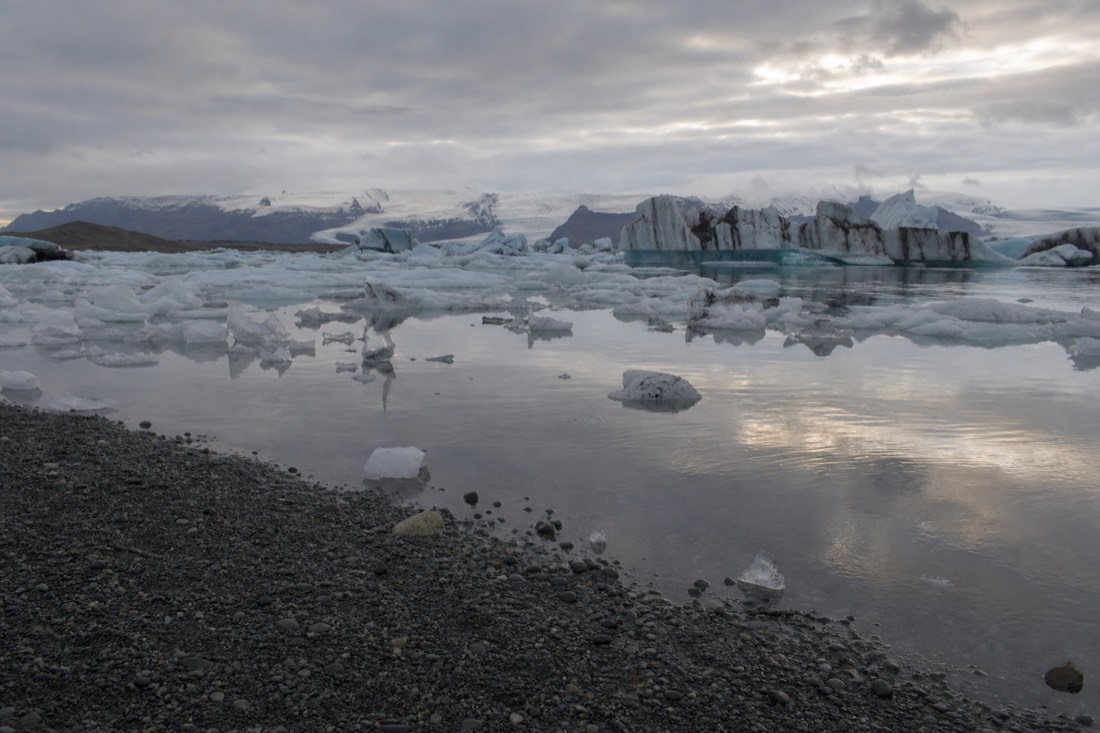
There is no month I would ban outright, but deep midwinter punishes a casual plan hardest. A December or January storm can hand you four hours of grey light, a closed road, and a beach you barely get to see. The other quiet trap is a warm July spell that thins the ice on the sand to almost nothing.
The "worst time" is less about a bad month and more about a bad match between what you expect and what the season actually delivers. Deep winter is genuinely spectacular when it behaves, with the thickest ice and the strongest aurora odds of the year. The problem is that it does not always behave, and a 380 km drive each way against four or five hours of daylight leaves no room for a storm to sit on the road. That is exactly why a guided coach on winter tyres makes more sense than a rental car in that window.
| If you come then | Don't | Do instead |
|---|---|---|
| Deep winter (Dec-Jan) storm risk | Self-drive the 380 km into a forecast storm | Take the guided coach and let a pro carry the risk |
| A short 4-5 h winter day | Leave Reykjavík late and race the dark | Start early and build slack into the schedule |
| A warm high-summer spell | Expect a beach packed with big glassy ice | Treat heavy ice as a bonus, never a guarantee |
| Any summer aurora hunt | Plan the trip around northern lights May-Jul | Shift the dates to Sep-Mar for true dark skies |
The summer trap is gentler but more disappointing, because it fails silently. Nobody warns you that a run of mild July days can melt the beach back to mostly bare black sand, so you arrive expecting a field of diamonds and find a handful of small chunks instead. The scenery is still worth the drive, but if the ice is the whole reason you are coming, high summer is the season most likely to let you down on that one specific count.
What does a photographer's year look like at Diamond Beach?
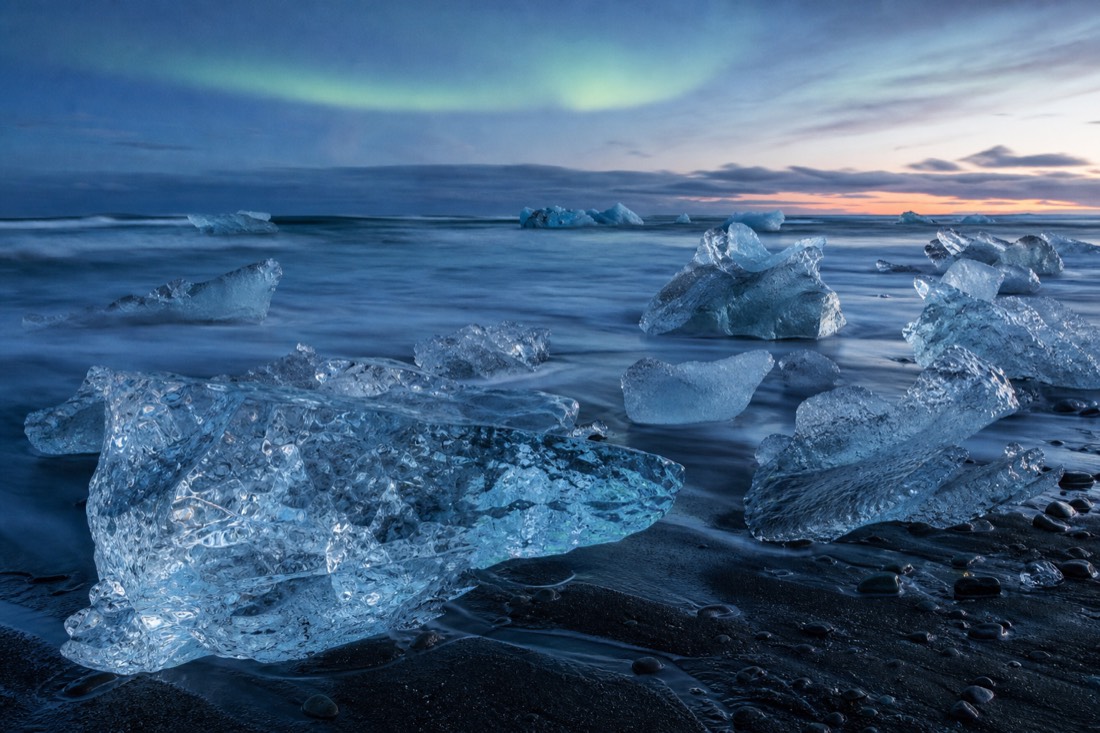
The camera wants different months than the casual sightseer. Midsummer trades the aurora for a midnight sun that hangs gold from about 3:37 am to 10:34 pm in Höfn. Winter trades daylight for long blue hours and the strongest aurora odds. The shoulder months hand you soft, low light without deep-winter's road risk.
If you shoot, the calendar reorganises itself around light rather than access. High summer gives you the endless golden hour, where the sun skims the horizon for hours instead of setting, so the ice glows warm at times of night that would be pitch dark anywhere further south. It is the one season with effectively no bad light, at the cost of no aurora and thinner ice. Winter flips every term: little daylight, but that daylight is a drawn-out blue-and-pink twilight, and the long darkness afterward is prime aurora hunting when the sky stays clear.
| Window | Best months | What you are shooting |
|---|---|---|
| Midnight sun, all-night gold | Jun-Jul | Warm low light on ice, no true darkness |
| Long, soft blue hour | Sep-Oct, Feb-Mar | Extended twilight over the black sand |
| Aurora over the ice | Sep-Mar (mid-Aug to late Apr possible) | Green sky above the beach and lagoon |
| Thickest ice, starkest scenes | Nov-Mar | Densest field of diamonds on the sand |
The photographer's sweet spot overlaps almost exactly with the sightseer's, which is why I keep landing on the shoulder months for most people. September and October, then February and March, give you those long soft blue hours, a real aurora chance, and enough daylight to actually reach the coast and back without white-knuckling the drive. Chase the midnight sun in June if warm light is your obsession, and accept deep winter's short, risky days if the green sky above the ice is the shot you have come all this way for.
So when should you actually go?
If you want the sky to perform and the ice at its heaviest, go November to March and take the coach so the roads are someone else's problem. If you want the boat, long light, and an easy day, go June to September. For the best all-round balance, September is hard to beat: aurora returning, boat still sailing, crowds thinning.
After years on this coast, that is where I land. There is no month I would tell you to avoid outright, only months that suit different trips. The one thing I would push back on is treating winter casually. The scenery is at its best, but the day is short and the drive is serious, so let a professional handle it. Book the guided Jökulsárlón & Diamond Beach day trip and check live availability and prices on GetYourGuide. The trip is approximately 14 hours with an English-speaking guide; Reykjavík pickup and drop-off depend on the option selected, and current cancellation terms should be confirmed on the listing.
Pick the season that matches what you most want to stand in front of. The ice will be there in some form all year, but the light, the sky, and the ease of the day are what actually change. Choose the month for those, and the black sand will do the rest.
Your Next Step
What is your season, starting point, preferred activity and youngest traveler's age?
Initial editorial suggestion. Confirm your date and party requirements with the operator.
Have your travel month in mind? Check the date, pickup option and any April-to-October lagoon boat option for the Reykjavík lagoon and Diamond Beach trip before arranging the rest of your South Coast plans.
Ages 6+. Allow for delays. Meals are extra; glacier hiking and ice-cave visits are separate experiences.
Refine Your Choice And View Alternatives
Reykjavik: Jokulsarlon Glacier Lagoon & Diamond Beach Tour
14-hour coach trip from Reykjavík with an English-speaking guide, Jökulsárlón and Diamond Beach stops. Pickup and the seasonal boat ride depend on the booked option.
This tool compares tour formats, meeting points, listed ages, seasonal windows and duration. Seasonal guidance is not live availability. It does not confirm availability or personal suitability. Local activities do not include the drive from Reykjavík; leave extra time for travel and check-in.
Jökulsárlón: The Original Ice Cave Tour on Vatnajökull: Around 2.5–4 hours from Jökulsárlón, with an English-speaking glacier guide, modified 4x4 transport and safety equipment. Ages 10+. A cave is not guaranteed: the route may visit a blue-ice canyon, tunnel or other feature. Requires general fitness and uneven-ground walking; not suitable for mobility impairments.
Jökulsárlón Glacier Lagoon Kayaking Tour: A 1.5-hour guided paddle from the Jökulsárlón parking area, with a two-piece suit, sit-on-top kayak and equipment. English-speaking guide. Ages 14+, able to swim and comfortable in water. Not suitable for back or heart problems or those prone to seasickness. Arrive 20 minutes early; no Reykjavík transfer.