Which Ice Cave Tour Is Best in Iceland?
Three very different caves, three different seasons and bases. Here is the honest way to pick the right one.
 Written with Björn Einarsson, Iceland South Coast & glacier-lagoon tour guide and local specialist
Short answer
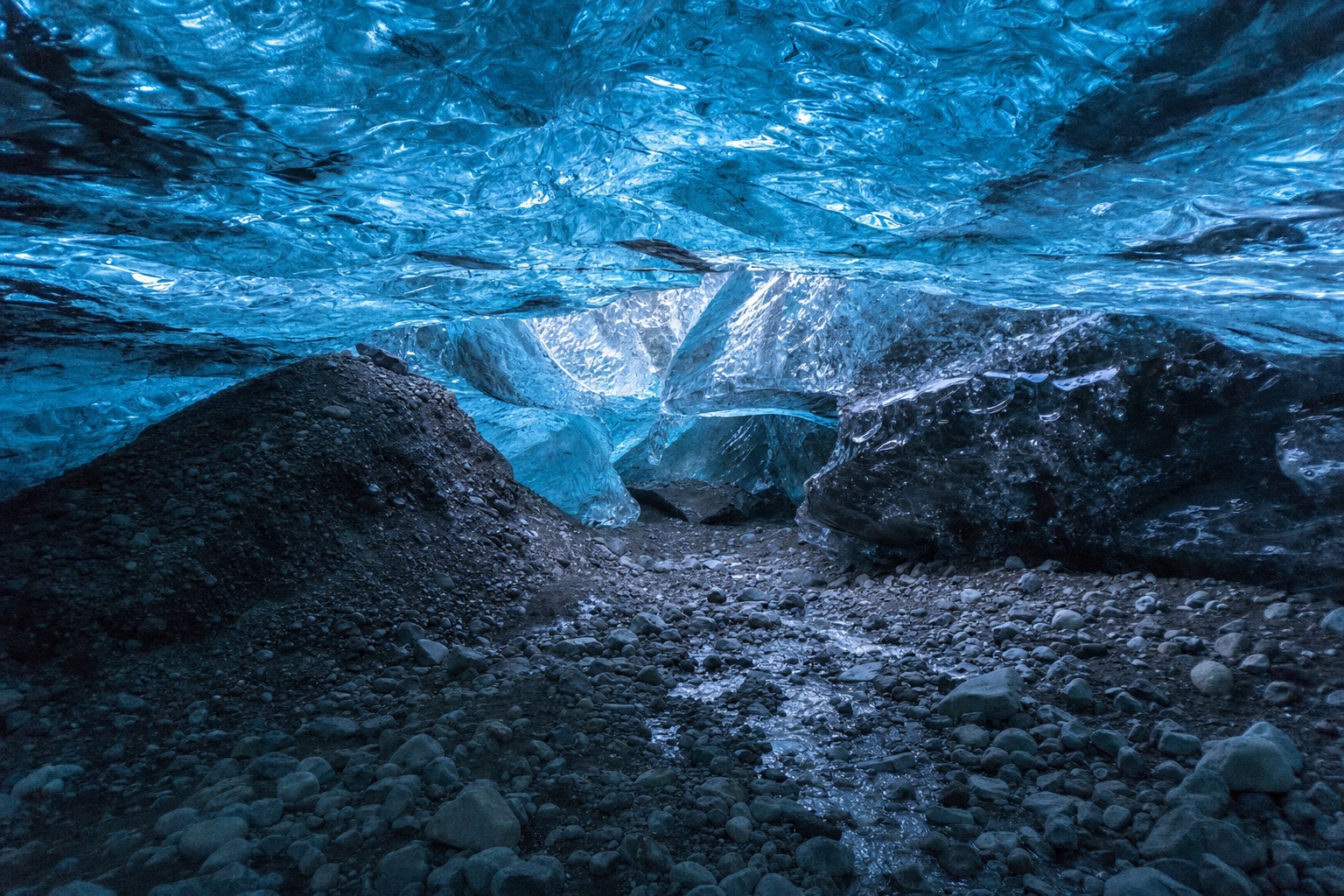
For anyone basing a trip around Jökulsárlón, the natural blue ice caves inside Vatnajökull win: they form fresh each winter, glow that unreal blue, and start near the lagoon. If you visit outside winter or stay near Vík, the year-round Katla cave is the answer instead.
The first time you step through a low gap in the ice and the whole ceiling turns cobalt above your head, you stop talking. I have led people to the edge of Jökulsárlón for years, watched them photograph the same drifting bergs, and none of it prepares them for the inside of a glacier. The trouble is that "ice cave" in Iceland means at least three completely different things, and travellers book the wrong one all the time. A cave that is spectacular in January does not exist in July. A cave near Vík is not the cave near the lagoon. So before you spend money and half a day on it, let me lay out what you are actually choosing between.
What ice cave options do you actually have in Iceland?
Iceland gives you three real choices: the natural blue crystal caves inside Vatnajökull near Jökulsárlón, open only in the cold months; the ash-streaked Katla cave under Mýrdalsjökull near Vík, reachable most of the year; and the man-made ice tunnel carved into Langjökull in the western interior, open year-round but a long way from the South-East coast.
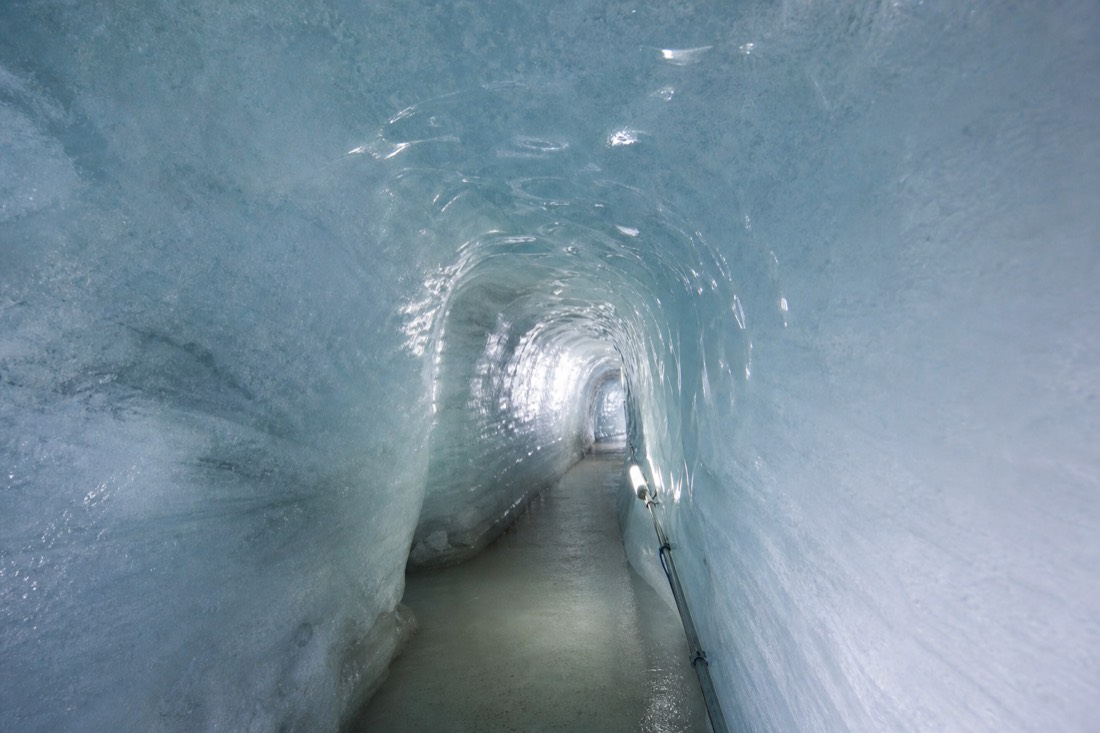
These are not three versions of one experience. They differ in colour, in season, in how far you drive, and in what a visit even feels like. The natural caves are the ones on the postcards, that glassy translucent blue where daylight filters through metres of compressed glacier. They are also the least predictable, because meltwater carves a new cave every winter and no two years are the same.
The Katla cave is a different creature. It sits under Kötlujökull, an outlet of the Mýrdalsjökull ice cap, and its walls run black and grey with volcanic ash from Katla's past eruptions. It is dramatic in a moody, striped way rather than a jewel-box way, and its big advantage is that it stays accessible far longer through the year.
Then there is Langjökull's tunnel, sold as "Into the Glacier". A machine bored it, so it is stable, lit, and reliably open whatever the season. It answers the summer traveller's problem, but it never gives you that raw, sculpted feeling of a cave the glacier made itself. Here is how the three stack up side by side.
| Cave | Type | Colour | Season | Nearest base | Guide |
|---|---|---|---|---|---|
| Vatnajökull (Breiðamerkurjökull) | Natural, meltwater-carved | Deep translucent blue | Roughly November to March | Jökulsárlón / Höfn | Certified glacier guide required |
| Katla (Kötlujökull) | Natural, under Mýrdalsjökull | Black and grey, ash-banded | Most of the year, often summer too | Vík | Certified glacier guide required |
| Langjökull "Into the Glacier" | Man-made ice tunnel | Pale carved white/blue | Year-round | Húsafell / west interior | Guided, on a stable tunnel |
Which ice cave is best near Jökulsárlón and the glacier lagoon?
If your trip is built around Jökulsárlón, the natural Vatnajökull blue caves are the clear winner in winter. They form inside Breiðamerkurjökull, the same outlet glacier that calves the icebergs into the lagoon, and tours meet near the lagoon or at Höfn before driving onto the ice in a modified super-jeep. Nothing else in Iceland comes closer to the lagoon you are already visiting.
The guided route explores the glacier from the lagoon side, but conditions decide whether it reaches a cave, tunnel, canyon or another blue-ice feature.
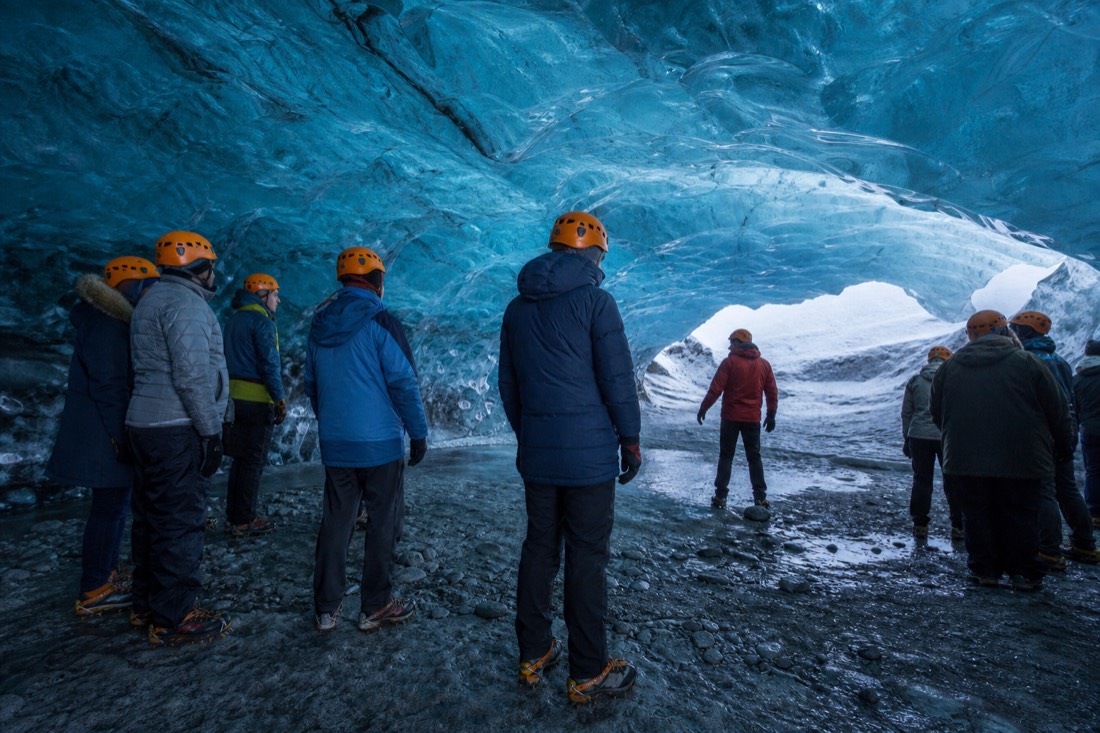
There is a neatness to it that I love as a guide. You watch Breiðamerkurjökull shed its ice into the water at the lagoon, then a separate ice-cave tour takes you up onto that very glacier and inside it. The blue is not a trick of editing. It is what happens when ice this old and this dense absorbs every colour of light except blue, and on a bright winter day the effect through the ceiling is genuinely hard to believe.
The honest catch is season and unpredictability. These caves melt and refreeze on the glacier's schedule, not yours. A cave that was cathedral-sized last February might be a low crawl this year, or gone, replaced by a new one a valley over. That is why every reputable operator scouts fresh caves each autumn and why the window is narrow. My guide to the best months for ice cave season goes into exactly when that window opens and closes, because turning up in October and expecting the full blue cave is the most common mistake I see.
When can you actually visit each ice cave?
Season is the single biggest filter. The natural Vatnajökull caves run roughly November to March, occasionally nudging into October or April in a cold year. The Katla cave stays open far longer, often through summer, because its structure and access hold up in warmer months. The Langjökull tunnel is open all year. Get the season wrong and your first-choice cave simply will not be running.
I cannot stress this enough to summer visitors. People arrive in July picturing the deep-blue crystal cave and are quietly heartbroken to learn it does not exist in high summer, because meltwater floods the natural caves and makes them unsafe. That is not an operator being cautious for the sake of it. It is glacier physics. When the ice warms, the caves that were solid in January turn into moving water.
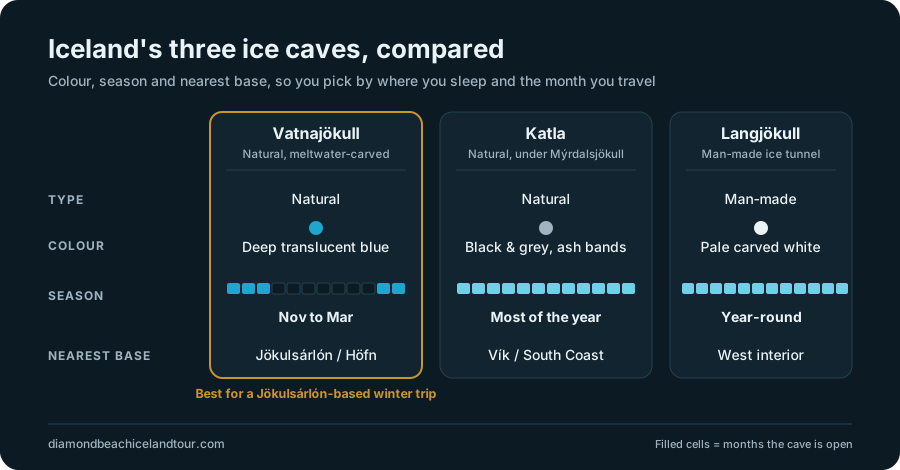
The practical takeaway: match the cave to the month you are travelling, not the other way around. Here is the rough calendar I work from.
| Month | Vatnajökull blue caves | Katla cave | Langjökull tunnel |
|---|---|---|---|
| December to February | Peak, most reliable | Open | Open |
| March | Running, late-season | Open | Open |
| April to May | Usually closed | Open | Open |
| June to August | Closed (meltwater) | Open, summer access | Open |
| September to October | Not yet / edge of season | Open | Open |
| November | Season opening | Open | Open |
Katla, Vatnajökull, or Langjökull: which for your base?
Where you sleep decides a lot. Based near Jökulsárlón or Höfn in winter, take the Vatnajökull blue cave. Staying around Vík or doing the South Coast, the Katla cave is right there and runs most of the year. Circling the west or the Golden Circle, the Langjökull tunnel is the only one within easy reach. Driving hours out of your way for a cave rarely pays off.
This is where I talk people out of bad plans. Someone based in Reykjavík will ask which is best, hear "the blue Vatnajökull cave", and not register that it is a five to six hour drive each way, about 380 km, the same brutal distance that makes a Jökulsárlón day trip a roughly fourteen-hour push. If you are not already sleeping in the South-East, chasing that specific cave eats a whole day.
So the real question is not "which cave is objectively best" but "which cave is best from where I am, in the month I am here". Reddit's r/VisitingIceland is full of people who learned that the hard way, booking a cave three hours from their hotel. Use your base as the filter first.
| Your base | Best cave | Why |
|---|---|---|
| Jökulsárlón / Höfn (winter) | Vatnajökull blue cave | Same glacier as the lagoon, short transfer, peak blue |
| Vík / South Coast | Katla cave | Closest, year-round, dramatic ash bands |
| Reykjavík (summer) | Katla or Langjökull tunnel | Blue caves closed; these run warm months |
| West / Golden Circle | Langjökull "Into the Glacier" | Only cave within reasonable reach |
Do ice cave tours come with the Jökulsárlón day trip?
No, and this is the part people get wrong most often. An ice cave is a separate, specialist tour led by a certified glacier guide with helmets, crampons, and a super-jeep onto the ice. The popular Jökulsárlón and Diamond Beach day trip from Reykjavík views the lagoon and the black-sand beach; it does not go inside a glacier. If you want both, you book them as two different things.
I keep these strictly separate because conflating them is not just misleading, it can be dangerous. Ice caves must only ever be entered with a certified guide on an organised tour, never alone. The ice moves, ceilings can drop, and conditions change hour to hour. Iceland's official safetravel.is glacier advice is blunt about this: glaciers and their caves are not places to wander into unguided, and every year people underestimate them. The lagoon day tour keeps you safely on the shore and the beach, which is a genuinely different, gentler kind of day.
If the lagoon itself is what you are here for, that long guided coach is the easy way to see it without driving Route 1 in winter yourself. You can book the guided Jökulsárlón & Diamond Beach day trip and check live availability and prices on GetYourGuide, then arrange your ice-cave tour separately for a different day or as an add-on with a specialist glacier operator. The two simply do not live in the same booking.
For the cave side of the trip, weigh whether it earns its place at all before you commit. My honest take on whether the ice cave in Iceland is worth it walks through the cost, the crowds, and the days it disappoints, and the ice cave tours hub lays out the specialist options in one place.
What should you wear inside an Iceland ice cave?
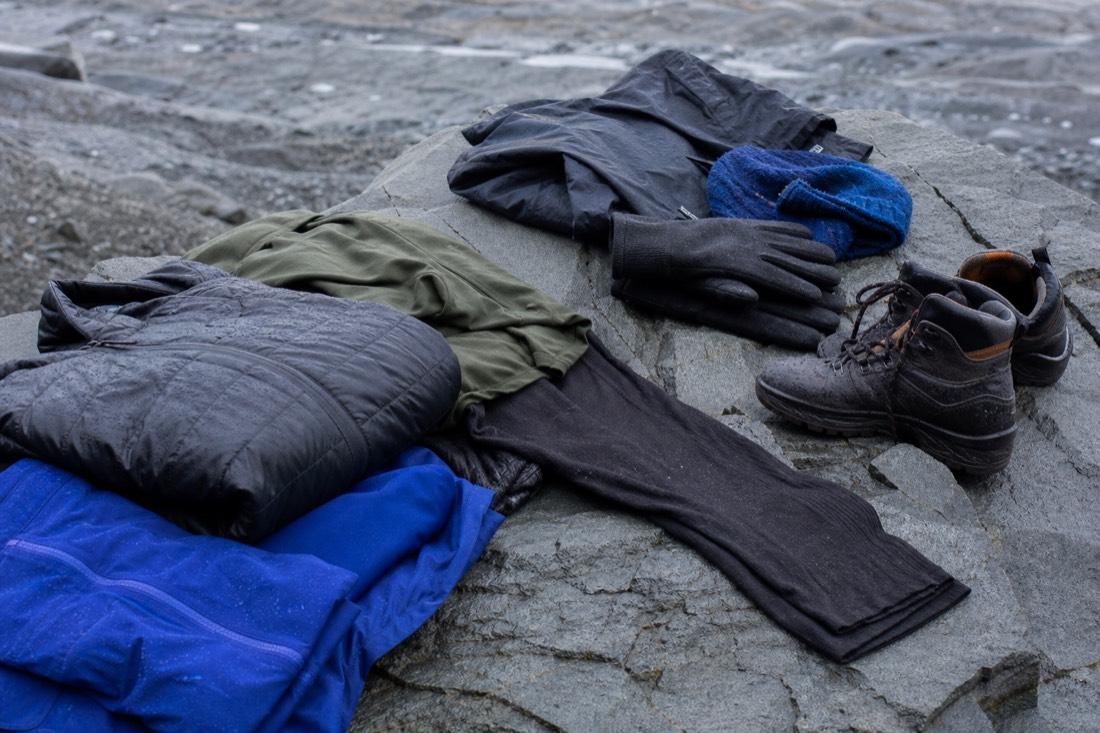
Dress for a glacier, not a city winter walk. The working rule is warm, waterproof, and layered: a thermal base layer, a warm mid-layer, and a windproof shell, plus a hat, gloves, and thick socks. Sturdy waterproof hiking boots matter most of all, because the crampons clamp straight onto them. Operators hand you the helmet and crampons; the clothing is your job.
Inside the cave itself the temperature hovers near freezing, but the walk on and off the glacier is where people actually get cold. Wind on open ice is the real enemy, not the cave. I watch visitors turn up at the lagoon in trainers and a thin fashion coat, then spend the whole trip miserable, so I am blunt about boots when anyone asks me the day before their cave date.
The one item people underestimate is footwear. Crampons need a firm, high-ankle boot to bite onto, and soft sneakers or thin city boots will not hold them. Some operators turn you away without proper shoes. If you did not pack any, several South-East outfitters rent boots, so sort that out before your cave morning, not on it.
Cameras and phones drain fast in the cold, so carry a spare battery in an inside pocket where your body heat keeps it alive. Leave the umbrella and the wheeled-suitcase mindset at the hotel. This is a short hike onto a living glacier, and what you wear decides whether you spend it staring up at the blue ceiling or counting the minutes back to the super-jeep. Treat the list below as a planning allowance, not a kit you must buy new.
| Layer or item | What works | Why it matters on the ice |
|---|---|---|
| Base layer | Thermal top and leggings, wool or synthetic | Traps heat and wicks sweat on the walk in |
| Mid layer | Fleece or light down | Your main warmth inside a near-freezing cave |
| Outer shell | Waterproof, windproof jacket and trousers | Wind on open glacier bites harder than the cave |
| Footwear | Sturdy waterproof hiking boots, above the ankle | Crampons only clamp safely onto firm boots |
| Extremities | Warm hat, insulated gloves, thick socks | First places you lose heat standing still |
| Supplied by operator | Helmet, crampons | Handed out at the ice; you do not bring these |
How does an ice cave tour day actually run?
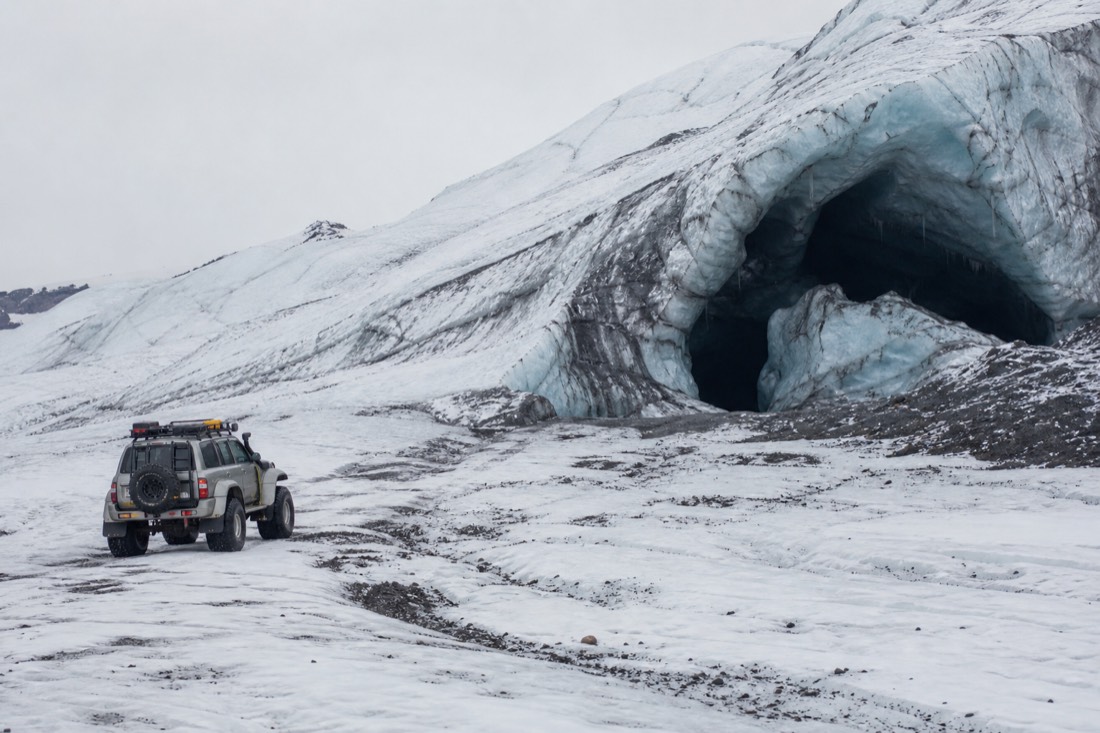
A shorter Vatnajökull cave trip runs roughly 2.5 to 6 hours door to door, not a full day. You meet near Jökulsárlón or at Höfn, transfer onto the glacier by modified super-jeep, walk a short way in crampons with your certified guide, get real time inside the cave, then return the same way. The cave itself is a slice of it; the rest is transfer and briefing.
Here is how a typical shorter tour tends to flow, give or take the conditions on the day. The times are a planning guide, not a fixed timetable, because weather on the ice rewrites everything and a good guide will change the plan without apology.
You gather at the meeting point, the guide runs a short safety briefing, fits helmets, and checks footwear. Then comes the drive, and this is the part the photos never show you: a jolting super-jeep ride over rough glacial terrain to reach the cave mouth, which can eat a fair chunk of the outing on its own. Once there you strap on crampons, walk in as a group, and get time inside to look, listen, and photograph before the return.
The reason the window inside feels short is that most of the day is getting there and back safely. That is not padding. Reaching a natural cave on an active glacier is the genuinely slow, careful part, and it is exactly why you cannot wander in alone.
| Stage | Rough time | What happens |
|---|---|---|
| Meet and brief | 15 to 30 min | Check in, helmets fitted, safety talk, boot check |
| Super-jeep transfer | 30 to 60 min each way | Rough drive across the glacier approach |
| Crampon walk in | 10 to 20 min | Short guided hike to the cave entrance |
| Inside the cave | 30 to 45 min | Time to look around and take photos |
| Return | 40 to 80 min | Walk back, jeep out, drop at the meeting point |
How do I tell people to pick an ice cave tour?
After years at the lagoon, my advice is boringly practical: pick by month and by base first, beauty second. Match the season to the cave that actually exists then, choose the one nearest where you sleep, and go with a certified operator with a real safety record. The "best" cave is simply the one you can reach in the window you are here, guided properly.
I have guided the South Coast and the glacier lagoon since 2022, stood beside well over a thousand travellers at Jökulsárlón, and heard the next day how their cave trips went. I do not run the cave tours myself; those belong to the specialist glacier operators. But I see the pattern of who comes back thrilled and who comes back flat, and it is almost always down to planning, not luck.
The mistake I see most is chasing the blue cave in the wrong month. Someone reads about Vatnajökull's crystal cave in a summer blog, books a July trip expecting it, and only later learns the natural blue caves close once meltwater floods them. The second mistake is distance: booking a cave hours from the hotel and burning a whole travel day on the road. The third is skimping on gear and then being too cold to enjoy the one thing they drove all that way to see.
What I tell people to skip: do not try to bolt a cave onto the full Jökulsárlón day trip from Reykjavík. That lagoon run is already a roughly fourteen-hour, 380 km push, and there is no room in it for a glacier tour too. Space the two across different days from a South-East base and both get to be good.
| If you are | I usually point you to | Because |
|---|---|---|
| A winter visitor sleeping near the lagoon | Vatnajökull blue cave | Peak season, shortest transfer, the real prize |
| On the South Coast near Vík | Katla cave | Year-round, close, dramatic ash bands |
| Here in summer | Katla or the Langjökull tunnel | Natural blue caves are shut by meltwater |
| Nervous about rough terrain or tight spaces | Langjökull man-made tunnel | Stable, lit, level, and predictable |
Man-made tunnel or wild natural cave: which is the honest choice?
Neither is "better"; they answer different needs. A natural cave like Vatnajökull or Katla gives you the real, sculpted, once-a-year glacier, but it is seasonal, weather-dependent, and can be a low scramble. The man-made Langjökull tunnel is engineered, lit, and offered year-round, which can suit travellers who prefer a structured route, but it never feels wild. The listed experience is not suitable for people with mobility impairments. Pick the trade-off you can live with.
Honesty first, because this is where marketing blurs the line. The Langjökull tunnel was bored by a machine. It is still a genuine experience and the only reliable ice-cave option in high summer or from the west, but you are walking a smooth engineered corridor, not a cave the glacier carved for itself. Some people find that a quiet letdown. Others, especially anyone uneasy on rough ice or in tight natural spaces, find it exactly right.
The natural caves sit at the other end of the ladder. They are unpredictable by nature, form fresh each winter, and no operator can promise the precise cave you saw in a photo, because that one may already have melted away. The verified Vatnajökull blue-ice exploration includes a glacier guide, modified 4x4 transport and safety equipment, with the exact route chosen for conditions on the day.
So the ladder runs like this. Want the most beautiful, most real cave and travelling in winter from the South-East? The natural blue cave, every time. Travelling off-season, based far away, or wary of scrambling on ice? The tunnel earns its keep and no one should feel short-changed by it. There is no wrong rung here, only the one that fits your month, your map, and your nerve.
| Natural cave (Vatnajökull / Katla) | Man-made tunnel (Langjökull) | |
|---|---|---|
| Feel | Wild, sculpted, different every year | Engineered, smooth, consistent |
| Season | Vatnajökull winter only; Katla most of year | Every day, year-round |
| Terrain | Uneven, sometimes a low scramble | Engineered and lit; access limitations still apply |
| Certainty | Cave shape and access shift with weather | Reliable and bookable well ahead |
| Best for | Winter South-East visitors chasing the real thing | Summer or western trips; confirm terrain and access requirements |
So which ice cave tour is best in Iceland?
For a South-East, lagoon-based winter trip, the natural Vatnajökull blue cave is the best in Iceland, full stop. It is the closest to Jökulsárlón, the most beautiful, and the most "real". Outside winter, or from a different base, the Katla cave is the smart, reliable pick, and the Langjökull tunnel is the fallback when nothing natural is open. There is no single winner. There is the right cave for your season and your map.
One last thing from years of standing on this ice. The glacier you are visiting is part of Vatnajökull, the largest ice cap in Europe, protected inside Vatnajökull National Park, and it is retreating fast. The caves you can enter today are shaped by that retreat. Come in the right month, go with the right guide, and pick the cave that fits where you actually are, and you get one of the few experiences in Iceland that still makes seasoned guides go quiet.
Your Next Step
Match My Cave By Month And Base
Initial editorial suggestion. Confirm your date and party requirements with the operator.
Have your travel date and base in mind? Check the Jökulsárlón blue-ice exploration schedule before arranging the rest of your South-East itinerary.
Ages 10+. A cave is not guaranteed: the route may visit a blue-ice canyon, tunnel or other feature. Requires general fitness and uneven-ground walking; not suitable for mobility impairments.
Refine Your Choice And View Alternatives
Jökulsárlón: The Original Ice Cave Tour on Vatnajökull
Around 2.5–4 hours from Jökulsárlón, with an English-speaking glacier guide, modified 4x4 transport and safety equipment.
This tool compares tour formats, meeting points, listed ages, seasonal windows and duration. Seasonal guidance is not live availability. It does not confirm availability or personal suitability. Local activities do not include the drive from Reykjavík; leave extra time for travel and check-in.
From Vik: Katla Ice Cave and Super Jeep Tour: A Super Jeep outing from Vík with a guided Katla cave visit, crampons and helmet. Select the Vík departure option. Ages 6+. Cave appearance changes. Confirm the chosen option’s duration and language before booking; Reykjavík departures are a different option.
From Húsafell: Into the Glacier Ice Cave Adventure: A guided trip from Húsafell into the engineered Langjökull ice tunnel, with glacier truck transport and supplied equipment. A man-made tunnel, not a natural cave. All ages with an adult; not suitable for mobility impairments. Confirm departure duration and guide language for your option.