How Much Does It Cost to Visit Jökulsárlón and Diamond Beach in 2026?
The lagoon and the black sand cost nothing to stand on. The money is in how you get there and what you add on.
 Written with Björn Einarsson, Iceland South Coast & glacier-lagoon tour guide and local specialist
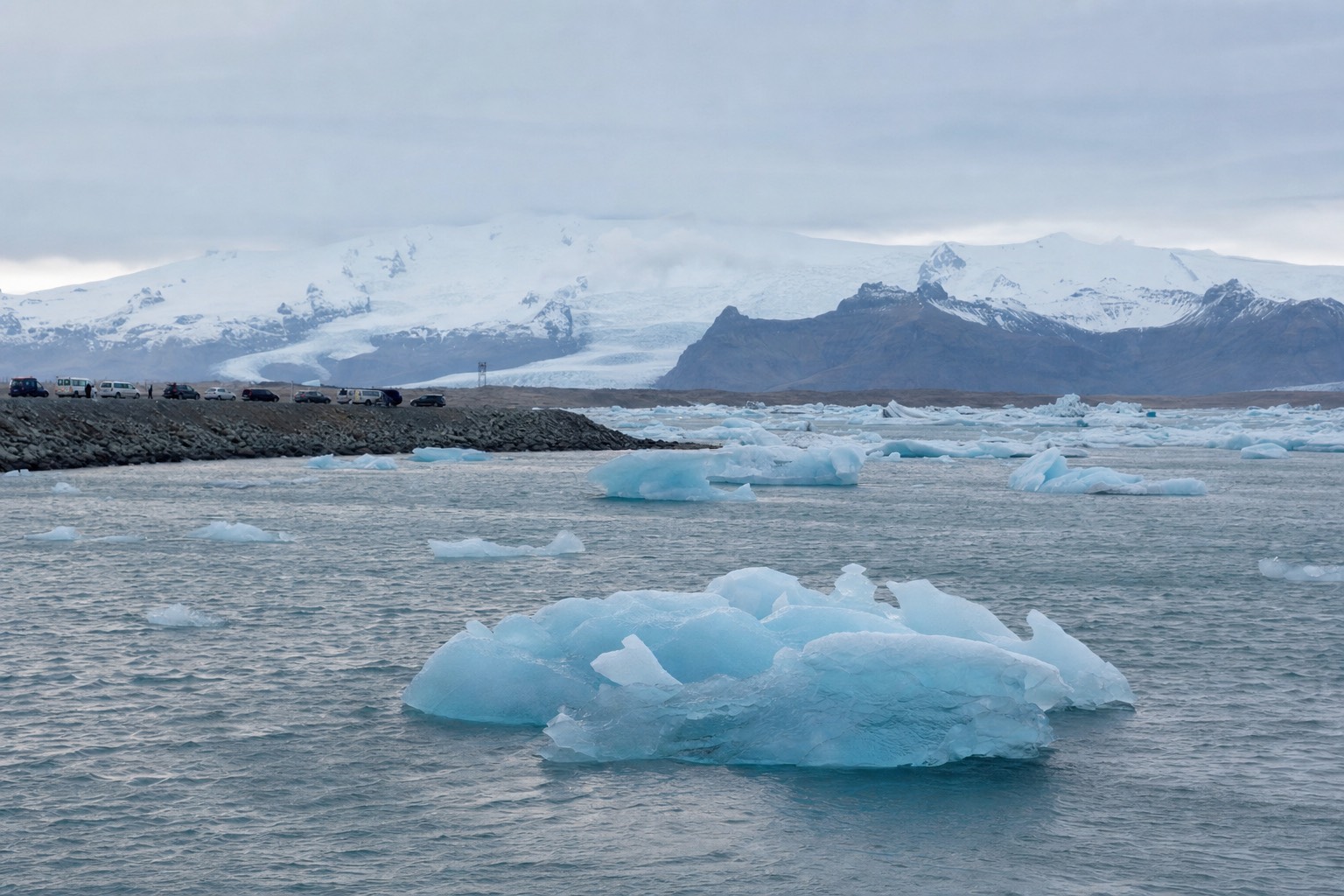
Short answer
Entry to both is free. Your real costs are parking, about 1,110 ISK per car, plus either a guided coach seat or self-drive rental and fuel for the roughly 760 km round trip. Add an optional boat cruise and food at the stops. The total swings widely depending on how you travel.
People ask me what a day at Jökulsárlón costs, and they usually expect a ticket price. There isn't one. You can walk right up to the lagoon, watch the icebergs turn in the current, cross to the black sand of Diamond Beach where the ice washes up, and pay nobody a króna for the privilege. The cost lives somewhere else entirely: in the 380 kilometres of Route 1 between you and the ice, in the fuel or the coach seat that covers it, and in the extras you choose to bolt on once you arrive. Here is what the day really adds up to, line by line, with nothing invented and nothing hidden.
How much does it actually cost to visit the glacier lagoon and Diamond Beach?
There is no entry fee for either place. Your only fixed on-site charge is parking, about 1,110 ISK per car for the day. Everything else is a choice: a guided coach seat, or self-drive rental and fuel for the long round trip, plus an optional boat cruise and whatever you spend on food at the stops along the south coast.
The confusion is understandable. Most headline attractions in the world gate you at a turnstile, so travellers assume the most famous lagoon in Iceland must too. It doesn't. The land is inside Vatnajökull National Park, and the park charges to park a vehicle, not to look at the water. That single fee is the only guaranteed cost that touches everyone who drives their own car in.
Everything after that depends on the shape of your trip. Below is the full menu of what a Jökulsárlón and Diamond Beach day can involve, separated so you can see which lines apply to you and which you can ignore.
| Cost item | Who pays it | Typical cost |
|---|---|---|
| Entry to Jökulsárlón + Diamond Beach | Everyone | Free |
| Parking (per car, valid all day) | Self-drivers | About 1,110 ISK |
| Guided coach seat | Tour-takers | Live price on the GetYourGuide listing, per person |
| Car rental (one day's share) | Self-drivers | Roughly 8,000 to 14,000 ISK for an economy car, more for a 4x4 |
| Fuel, round trip of about 760 km | Self-drivers | Roughly 11,000 to 17,000 ISK per car |
| Food at the stops | Everyone | About 2,000 to 4,000 ISK per person per casual meal |
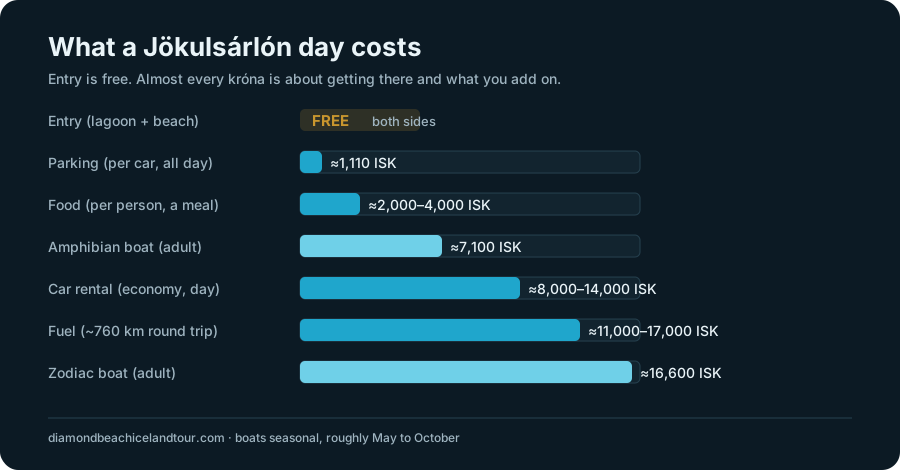
Notice what is missing: a ticket line. The lagoon and the beach are free to enter, full stop. Keep that framing and the rest of the budget makes sense, because you are only ever paying to travel and to upgrade, never to get in.
Is entry to Jökulsárlón and Diamond Beach really free?
Yes. Standing at the lagoon, walking its shore, and crossing to Diamond Beach all cost nothing. The one thing you pay for on arrival is the car park: a passenger car with five seats or fewer is 1,110 ISK, valid until midnight the same day, and that single payment covers both the lagoon lot and the Diamond Beach lot.
The parking fee is easy to get right and easy to resent if you misunderstand it. It is charged per vehicle, not per person, so a full car spreads it thin. You pay it once and it covers you at both lots for the whole day, which matters because most people park at the lagoon, walk the shore, then drive the short hop across the bridge to the beach side. You are not paying twice. The official rate and category list sit on the Vatnajökull National Park pricelist, which is the page I check whenever someone tells me the fee has changed.
If you arrive by guided coach, this line vanishes from your budget. The operator parks the bus and absorbs any fee, so you never see it. That is the first hint of a wider truth about the day: the guided seat quietly folds in several costs that self-drivers pay separately and visibly.
There is a compliance note worth repeating here, because it is free but not risk-free. Diamond Beach has sneaker waves and strong rip currents, the water is glacially cold, and beached icebergs roll without warning. Free entry does not mean a tame place. Read the Icelandic road-conditions service at road.is before any self-drive, especially in winter, because the drive is the dangerous part, not the parking.
What does a self-drive day to the glacier lagoon cost?
For two people sharing an economy car, budget roughly 15,000 to 20,000 ISK each for the day before any boat: a day's share of the rental, fuel for the 760 km round trip, the 1,110 ISK parking split between you, and two casual meals on the road. Drive solo and the figure climbs sharply, because rental and fuel no longer split.
Fuel is the honest heavyweight. Petrol runs around 217 ISK per litre right now, and the round trip is close to 760 kilometres, so an economy car drinks somewhere between 11,000 and 14,000 ISK of fuel in a day, while a thirsty 4x4 pushes past 17,000. Rental is the other variable, and it swings hard by season: an economy car can sit near 8,000 ISK a day in the quiet months and climb well beyond that in peak August. A four-wheel drive for winter costs more again.
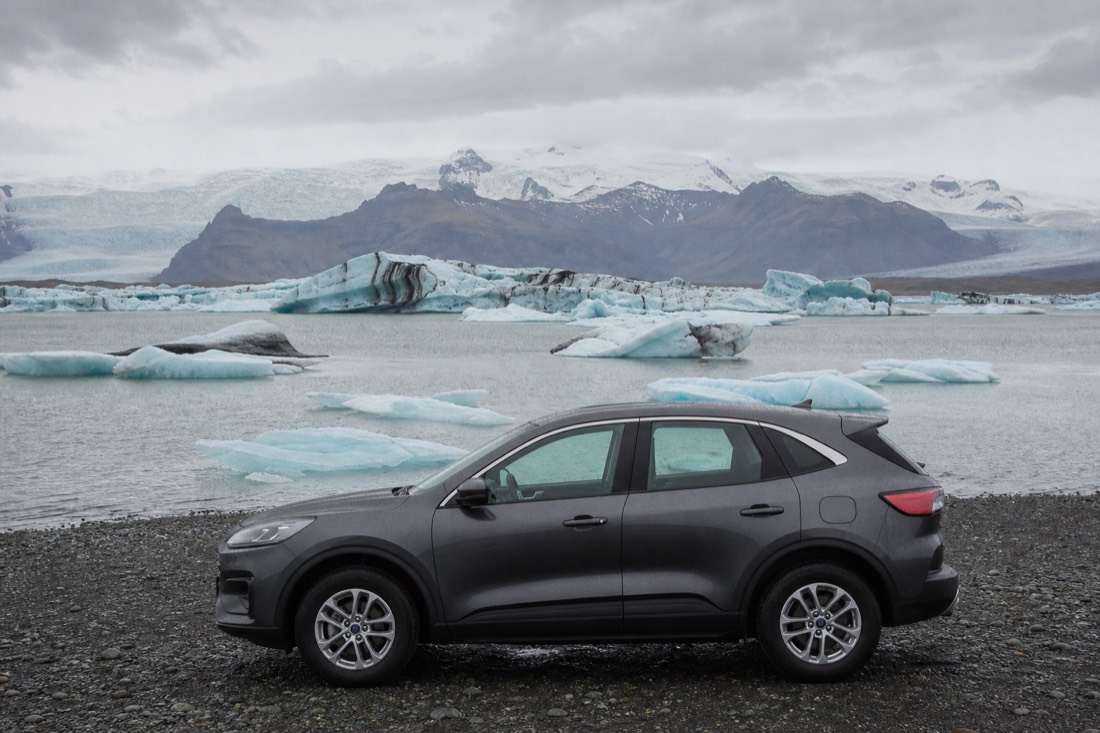
Here is the split I actually run for people, comparing the guided coach against a self-driven car per person, for one long day. I have left the guided seat as the live listing figure on purpose, because printing a fixed price would be dishonest the moment the operator moves it.
| What you pay for | Self-drive (two sharing a car) | Guided coach |
|---|---|---|
| Getting there | About 11,000 to 14,000 ISK each (rental day-share plus fuel, split by two) | Live seat price on GetYourGuide, transport all-in |
| Parking | About 555 ISK each | None, the coach parks itself |
| Guide and commentary | None | Included in the seat |
| Meals you buy | About 4,000 to 8,000 ISK | About 4,000 to 8,000 ISK |
| Time at the wheel | Ten hours-plus of driving | You ride, the guide drives |
The maths tips one way for groups and another for solos. Fill a car with four and self-driving is often the cheaper route, because rental and fuel divide four ways while a coach charges each seat. Travel as one or two, or in deep winter when you would rather not drive icy single-lane bridges in the dark, and the guided seat starts to look like good value once you price in the stress you are not buying. I break the full decision down in my guide on self-drive versus a guided tour to Jökulsárlón, which goes deeper on the winter-driving side than I can here.
On the featured coach the seat price already folds in the drive, the fuel, the driver, and the parking, so book the guided Jökulsárlón & Diamond Beach day trip and check the live price on GetYourGuide, then hold that one flat figure up against your own petrol-and-rental sum. For a lot of first-timers, one all-in number beats juggling five separate ones.
How much are the optional extras, like the boat cruise?
The big optional spend is the lagoon boat, and it is the boat operator's own product, not part of the coach fare. The amphibian cruise is published at about 7,100 ISK per adult and 3,500 ISK for children aged 6 to 12; the faster Zodiac runs about 16,600 ISK per adult. Both are seasonal, roughly May to October, and neither is required to enjoy the lagoon.
I want to be precise about what these prices are, because it is easy to blur them. The amphibian and Zodiac fares are the lagoon boat operator's published rates, charged by the company that runs the cruises, and they are separate from any day-tour seat. When a guided coach lets you add the boat, you are buying the operator's cruise on top, not a discounted bundle. Whether the extra is worth it is a genuine question, and I answer it honestly in my take on whether the Jökulsárlón boat tour is worth it.
| Optional add-on | Season | Published operator price | Notes |
|---|---|---|---|
| Amphibian boat cruise | About May to October | 7,100 ISK per adult, 3,500 ISK child (6 to 12) | Slow 30 to 40 min float among nearer bergs |
| Zodiac boat cruise | About May to October | 16,600 ISK per adult | Fast 75 min, closest to the glacier and seals |
| Sit-down meal upgrade | Year-round | About 3,500 to 6,000 ISK per person | Instead of a fuel-stop sandwich |
| Coffee and snack stops | Year-round | About 700 to 1,500 ISK each | Adds up across a 14-hour day |
The winter picture changes the boat line entirely. From roughly November through April the lagoon ices over and the cruises stop, so if you visit in the cold months you are seeing Jökulsárlón from the shore, for free, and the boat simply drops out of your budget. That is not a downgrade, just a different visit.
What does a realistic day cost for a solo traveller, a couple, or a family?
The one thing that moves your per-person cost most is how many heads share the car. A solo self-driver in an economy car spends roughly 24,000 to 37,000 ISK for the day before any boat. Split the same car between two and each pays far less; fill it with a family of four and the per-head figure drops again.
Fixed costs do not care how many of you there are. The rental, the fuel for the 760 km round trip, and the 1,110 ISK parking are the same whether one person or four sit in the car. Only food scales with heads. That single fact is why the arithmetic swings so hard, and it is worth seeing laid out rather than argued.
Below is a planning allowance, not a quote. I have built it on an economy car in the mid-season, petrol near 217 ISK per litre, two casual meals per person on the road, and no boat cruise. A peak-August rental, a thirstier 4x4, or a sit-down dinner pushes every column up. A frugal winter day with packed sandwiches pulls it down.
| Cost line (economy car, one day, no boat) | Solo | Two sharing | Family of four |
|---|---|---|---|
| Rental, one day's share | 8,000 to 14,000 | 8,000 to 14,000 | 8,000 to 14,000 |
| Fuel, 760 km round trip | 11,000 to 14,000 | 11,000 to 14,000 | 11,000 to 14,000 |
| Parking, per car | 1,110 | 1,110 | 1,110 |
| Food, 2,000 to 4,000 ISK per meal | 4,000 to 8,000 | 8,000 to 16,000 | 16,000 to 32,000 |
| Party total (ISK) | about 24,000 to 37,000 | about 28,000 to 45,000 | about 36,000 to 61,000 |
| Per person (ISK) | 24,000 to 37,000 | 14,000 to 22,500 | 9,000 to 15,000 |
Read the bottom two rows together and the story is plain. The solo traveller carries the whole car alone, so a self-drive day is at its most expensive per head, which is exactly when a single guided coach seat, with the driving and parking already folded in, starts to look like the calmer money. The family of four spreads the same fixed costs four ways and lands near 9,000 to 15,000 ISK a person, often under a coach fare once four seats are priced. Two people sit in the middle, and the decision usually comes down to whether they want to drive ten hours or hand that job to someone else.
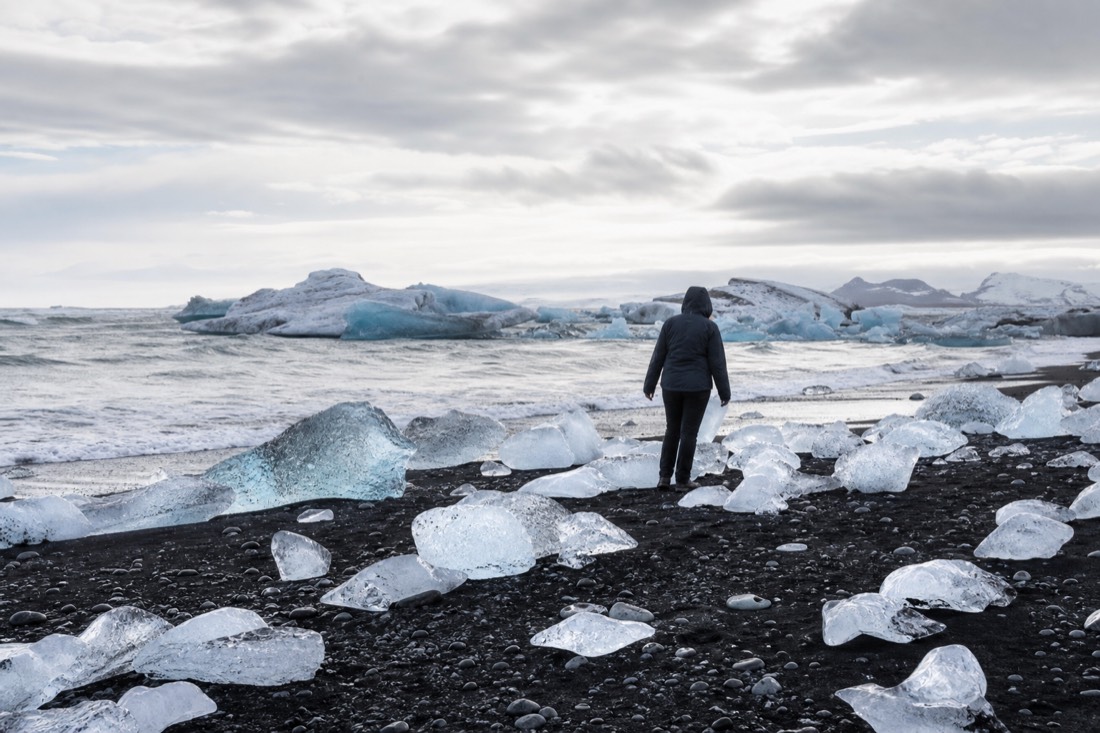
Where do visitors overspend, and what do I tell people to skip?
The two places people lose money without noticing are the boat cruise bought on impulse and the snack stops that stack up over a fourteen-hour day. The two places they save nothing by skimping are decent food and a sensible car. After guiding this coast since 2022, my rule is: spend on the drive being safe, save on the extras being optional.
I have walked the shore at Jökulsárlón with well over a thousand travellers since I started guiding the South Coast and the glacier lagoon in 2022, and I do not drive the featured BusTravel coach, so I have no reason to talk anyone onto or off it. What I have watched, again and again, is the same handful of spending patterns. The Zodiac is the big one. At about 16,600 ISK an adult it is a real experience, but a family of four just added roughly 66,000 ISK to a day that was otherwise going to cost them free. If the budget is tight, the amphibian cruise at 7,100 ISK does most of the same job, and the free shore does more of it than people expect.
The quiet drain is the coffee-and-cake reflex. A single stop is fine. By the third one, at 700 to 1,500 ISK a time across a long day, a couple has spent more on lattes than on parking. I tell people to pick one proper food stop, eat well there, and treat the rest as photo breaks.
Where I never tell anyone to save is the car itself in winter. A cheaper two-wheel-drive economy car looks like a saving in the rental column until Route 1 turns to packed ice and single-lane bridges in the dark. That is not the line to trim. The honest saving sits in the boat and the snacks, not in the tyres under you.
| I'd spend here | I'd save here |
|---|---|
| A safe car for the season, 4x4 in deep winter | The Zodiac if the amphibian will do, or the free shore if neither is essential |
| One good sit-down meal on the route | The second and third coffee-and-cake stop |
| Parking, paid properly, 1,110 ISK per car | A solo rental you could share by teaming up |
What hidden costs catch first-timers out?
The sticker figures people plan around, rental and fuel, are rarely where the surprise lives. It hides in the rental insurance quoted separately from the daily rate, the diesel premium on a bigger car, the boat that is never part of the coach fare, and the way food for a fourteen-hour day quietly doubles once you count every stop.
Rental insurance is the classic one. The daily rate you compare online is usually the bare car, and collision, gravel, and sand-and-ash cover are added on top, which matters here because the South Coast is exactly the gravel-and-sand country that cover is written for. Always ask for the all-in quote, not the headline figure, before you decide self-drive beats the coach.
Fuel has its own trap. A 4x4 does not just drink more litres over the 760 km, it often runs on diesel at around 256 ISK per litre against petrol near 217, so the price per litre and the litres per kilometre both climb. That is a double cost, not a single one, and it is why the fuel line in a 4x4 day can push past 17,000 ISK.
| Hidden cost | Why it surprises people | Planning allowance |
|---|---|---|
| Rental insurance (collision, gravel, sand-and-ash) | Quoted apart from the daily rate you compared | Ask for the all-in quote; it can rival the base rate |
| Diesel premium on a 4x4 | Diesel near 256 ISK/L vs petrol near 217, plus more litres | Adds several thousand ISK over an economy car |
| Boat cruise | Never inside the coach fare; the operator's own product | 7,100 ISK amphibian or 16,600 ISK Zodiac per adult |
| Food across a 14-hour day | Two-plus meals and snacks, not one | 4,000 to 8,000 ISK per person |
| Solo travel | Rental and fuel do not split | Per-head cost is the full car |
The through-line is simple. None of these are dishonest charges. They are just the lines that sit outside the two numbers people fixate on, and any one of them can close the gap between a self-drive day and the guided seat you were comparing it against.
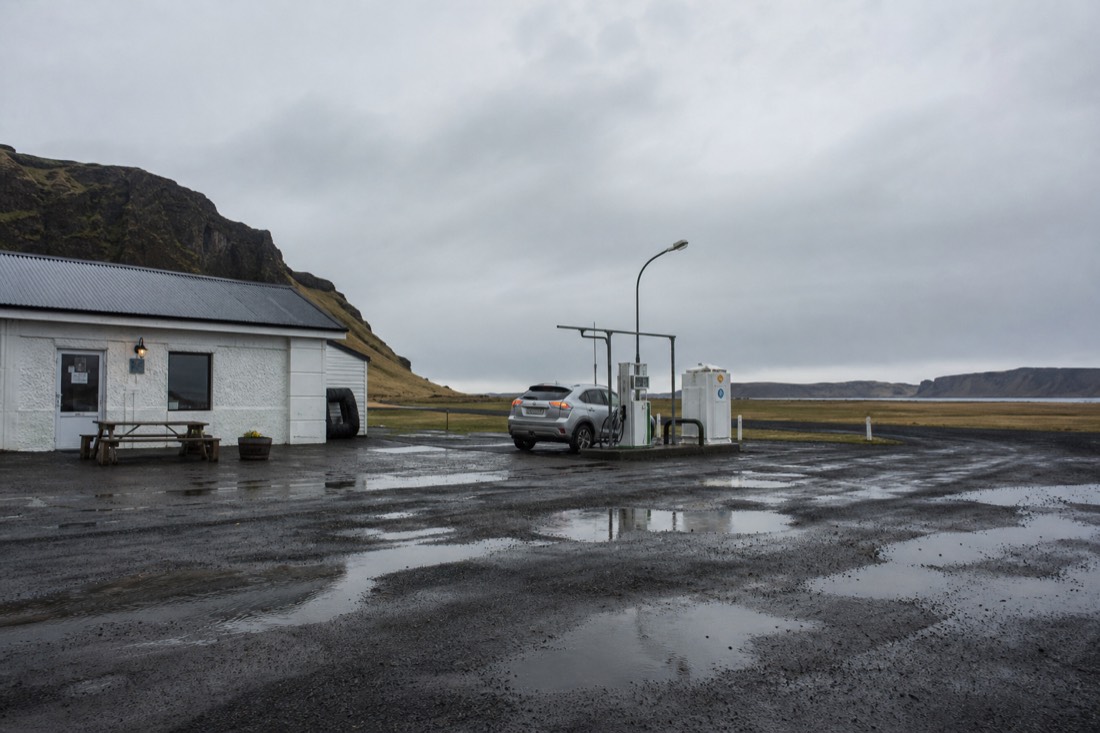
How do you pay in Iceland, and should you tip?
Bring a card, not a wallet of cash. Iceland runs on cards for everything from the 1,110 ISK parking to fuel and meals, and the Jökulsárlón car park is paid by app or card, not a cash booth. Tipping is not part of the culture here: service is priced in, and no guide, driver, or waiter expects a top-up.
The parking is the one people fumble. There is no attendant taking coins at Jökulsárlón. You pay through the parking app or a card machine, and the 1,110 ISK charge for a standard car covers both the lagoon lot and the Diamond Beach lot until midnight. Do it when you arrive rather than gambling on doing it later, because the enforcement is real even though the booth is not.
Fuel is card-first too, and the unmanned pumps common on the South Coast want a card with a PIN, sometimes with a pre-authorised hold that clears afterward. If your card is chip-and-signature only, sort that out before you leave Reykjavík, because a pump that will not take your card at Kirkjubæjarklaustur is a genuinely bad place to discover the problem. Meals, coffee, and the boat desk all take cards without a blink.
| What you pay for | How you pay | Notes |
|---|---|---|
| Parking, 1,110 ISK per car | Parking app or card machine | Covers both lots until midnight; no cash booth |
| Fuel, petrol near 217 ISK/L | Card with a PIN at the pump | Unmanned pumps may place a pre-auth hold |
| Meals and coffee | Card, everywhere | Tipping not expected; service is included |
| Boat cruise | Card at the operator's desk or site | Seasonal, roughly May to October |
On tipping, spend the mental energy elsewhere. Icelandic wages and prices already bake in service, so there is no expected percentage on a meal, no tip line staring at you on the card reader, and nobody thinks less of you for paying the sum on the bill. If a guide genuinely made your day and you want to hand something over, that is a gift, not an obligation. Budget zero for it and you have budgeted correctly.
So what is the realistic total for a day at Jökulsárlón and Diamond Beach?
For a self-driving pair, budget roughly 30,000 to 40,000 ISK for the day between you before any boat, which lands near 15,000 to 20,000 ISK each. A solo self-driver pays more because nothing splits. A guided seat is one flat per-person figure with the driving, fuel, and parking already inside it, plus whatever you buy to eat.
Those ranges are deliberately honest rather than tidy. A frugal winter day with a cheap economy car, packed lunches, and no boat can dip below them. A peak-summer day with a 4x4, restaurant meals, and two Zodiac seats sails well above. The lever you control most is the boat: skip it and the free lagoon still delivers the drifting ice, the seals, and the walk to Diamond Beach that most people came for in the first place.
If you want to pressure-test these figures against a real trip diary rather than my breakdown, the blog on how much a Jökulsárlón day trip really costs walks through an actual day with actual receipts. It is a useful gut-check on whether the guided seat or the petrol pump wins for the way you like to travel.
My own rule is simple. Count the heads in your party, then decide. Four people who don't mind a long drive should rent and split. One or two, or anyone facing an icy Route 1 in winter, will usually find the coach seat is the calmer money. Either way, the ice itself is free, which is the best line in the whole budget.
Your Next Step
Build Your Jökulsárlón Budget
Initial editorial suggestion. Confirm your date and party requirements with the operator.
Have a Reykjavík departure date in mind? Check the coach price and pickup option before committing to a rental and fuel budget for the long return drive.
Ages 6+. Allow for delays. Meals are extra; glacier hiking and ice-cave visits are separate experiences.
Refine Your Choice And View Alternatives
Reykjavik: Jokulsarlon Glacier Lagoon & Diamond Beach Tour
14-hour coach trip from Reykjavík with an English-speaking guide, Jökulsárlón and Diamond Beach stops. Pickup and the seasonal boat ride depend on the booked option.
This tool compares tour formats, meeting points, listed ages, seasonal windows and duration. Seasonal guidance is not live availability. It does not confirm availability or personal suitability. Local activities do not include the drive from Reykjavík; leave extra time for travel and check-in.
Jökulsárlón Glacier Lagoon Kayaking Tour: A 1.5-hour guided paddle from the Jökulsárlón parking area, with a two-piece suit, sit-on-top kayak and equipment. English-speaking guide. Ages 14+, able to swim and comfortable in water. Not suitable for back or heart problems or those prone to seasickness. Arrive 20 minutes early; no Reykjavík transfer.
Jökulsárlón: The Original Ice Cave Tour on Vatnajökull: Around 2.5–4 hours from Jökulsárlón, with an English-speaking glacier guide, modified 4x4 transport and safety equipment. Ages 10+. A cave is not guaranteed: the route may visit a blue-ice canyon, tunnel or other feature. Requires general fitness and uneven-ground walking; not suitable for mobility impairments.